 Historical Archive
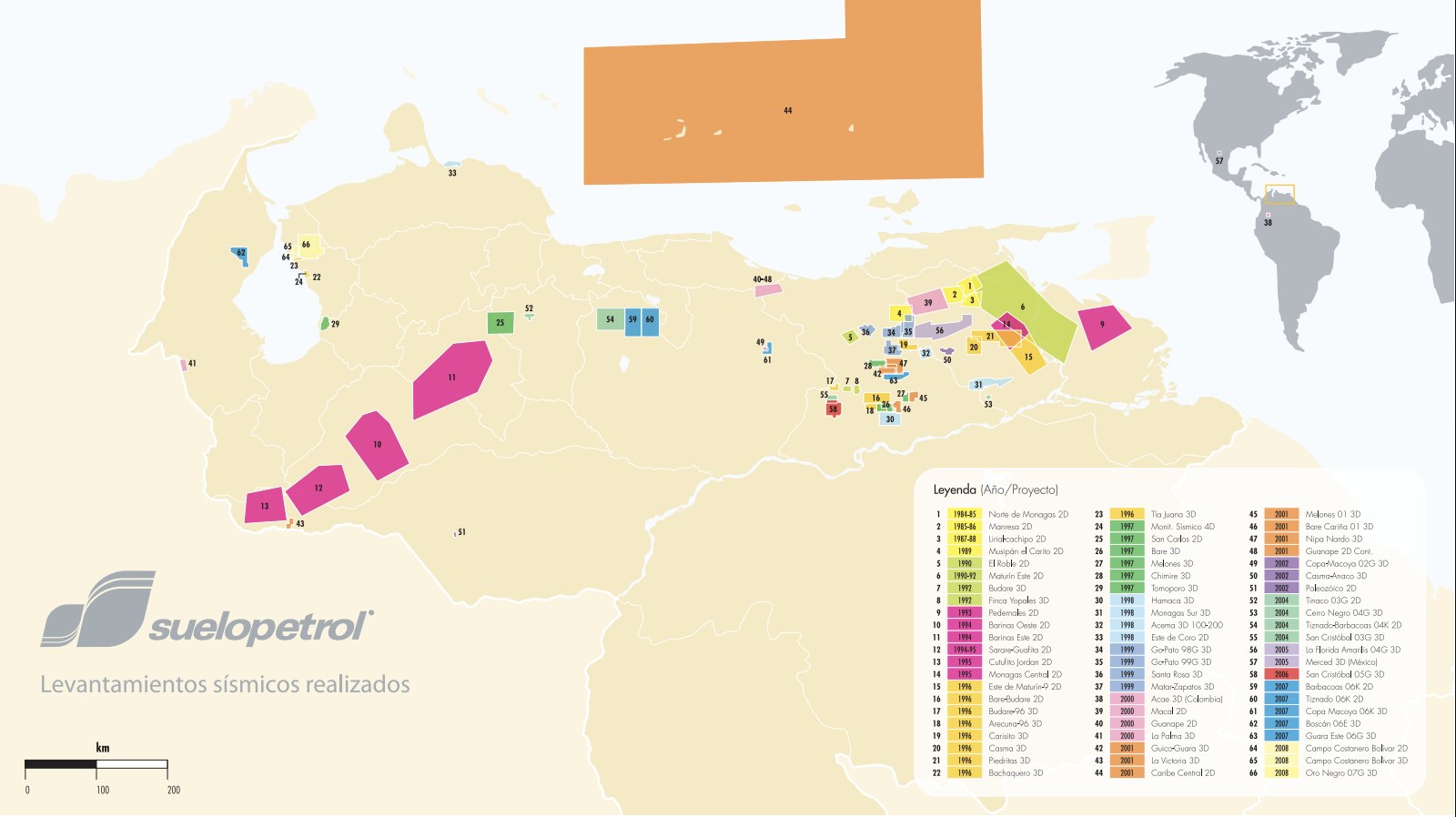
Suelopetrol is the story of a Venezuelan company that dared to compete with major multinationals in the Oil Exploration and Production segment — and succeeded through dedication, technology and professionalism.
The foundations of Suelopetrol began to take shape six years before the company formally began operations.
In 1978, Henrique Rodríguez Guillén founded Suelotec, a soil mechanics, geotechnical and geology firm that soon achieved success on highly complex projects, including the geotechnical study for the Margarita bridge.
The 1983 "Black Friday" currency crisis forced a rethink of the business. Together with his father, Henrique Rodríguez Díaz, and Carlos Domínguez Zeitler, they found an opportunity where others saw risk: oil seismic services, a market reserved for large multinationals.
The turning point came in Houston, at the Offshore Technology Conference. There, Rodríguez Guillén made contact with Grant Geophysical, the fifth-largest seismic company in the world, which had tried unsuccessfully to enter the Venezuelan market. This gave rise to a strategic alliance with Venezuelan majority ownership from day one — January 26, 1984, with the first contract awarded by Lagoven in northern Monagas.
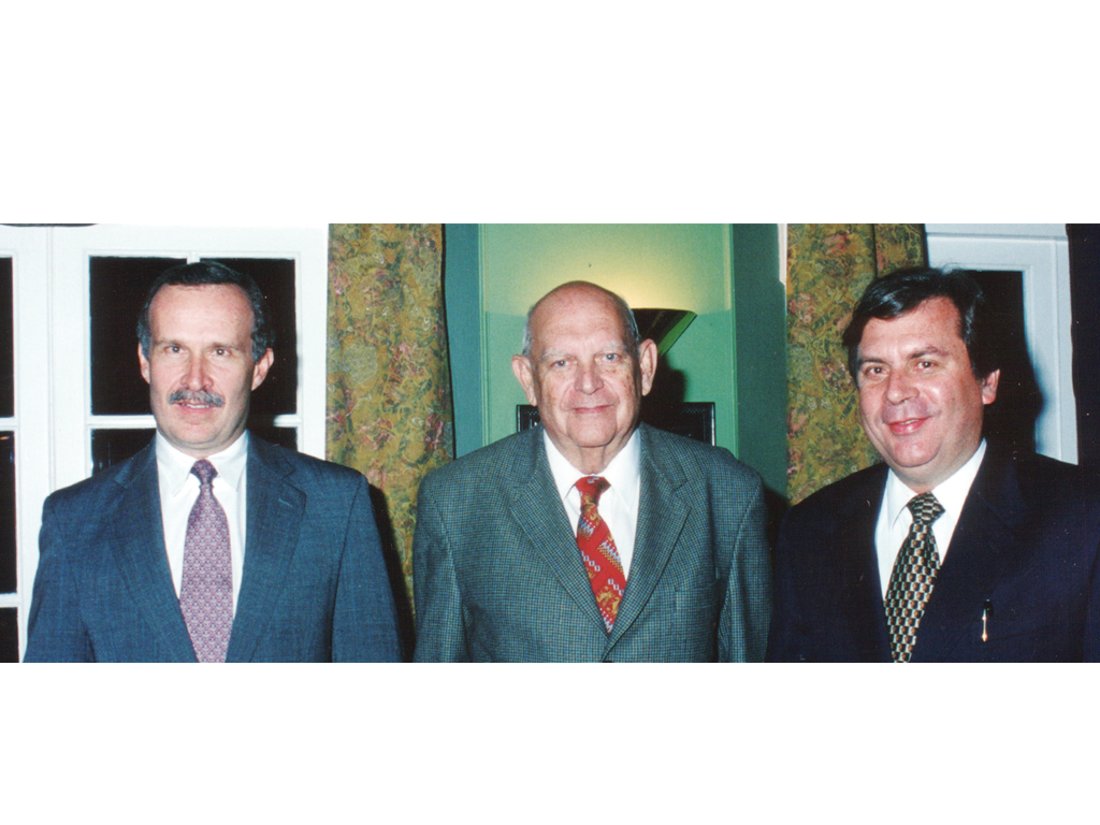
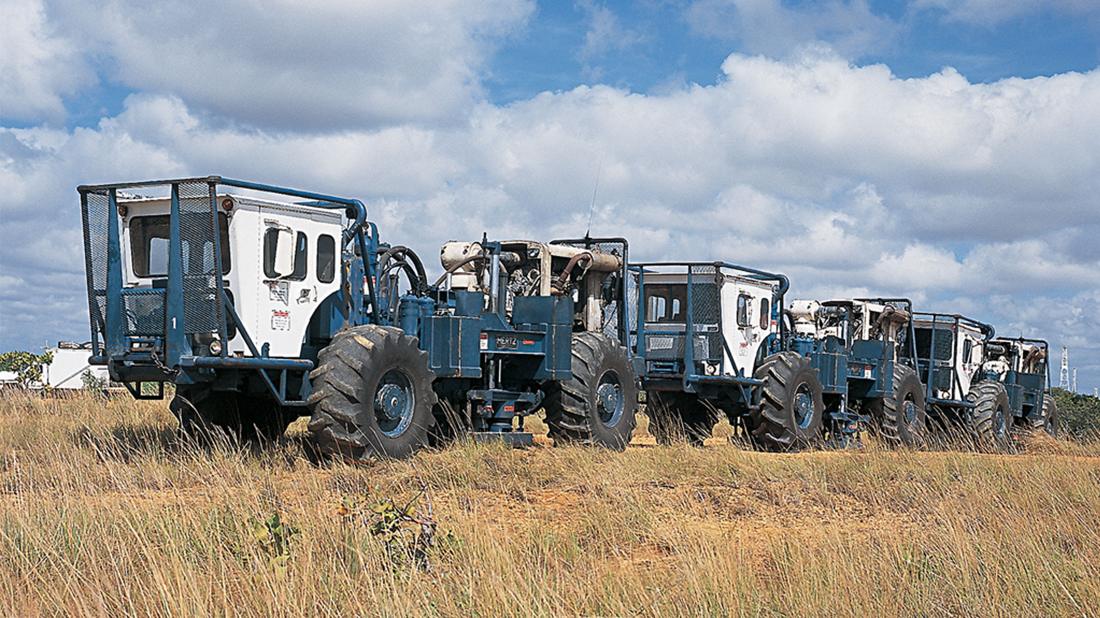
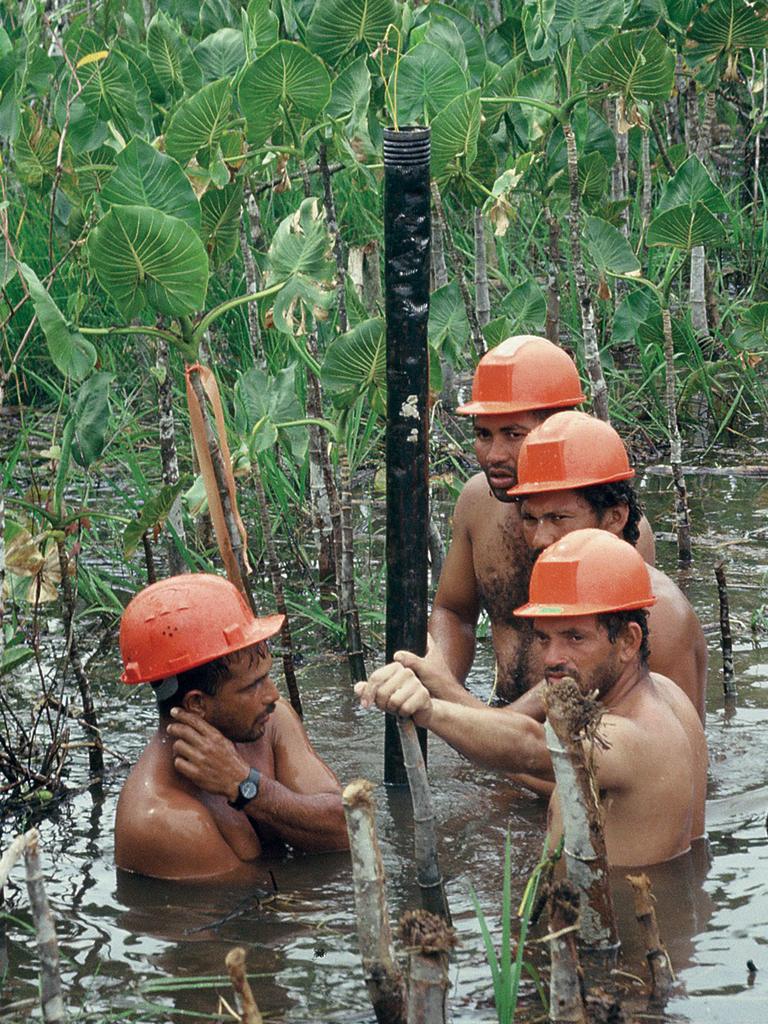
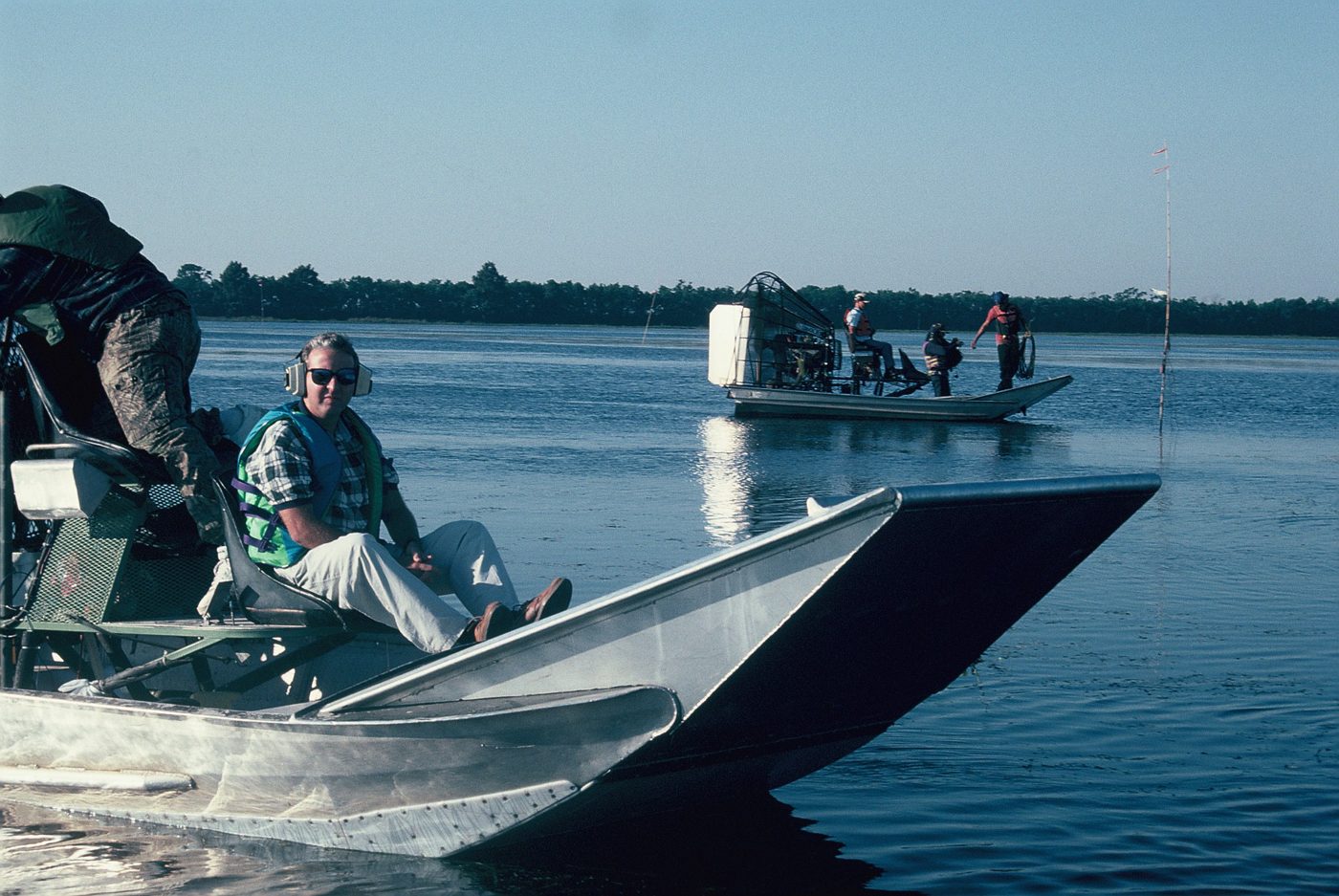
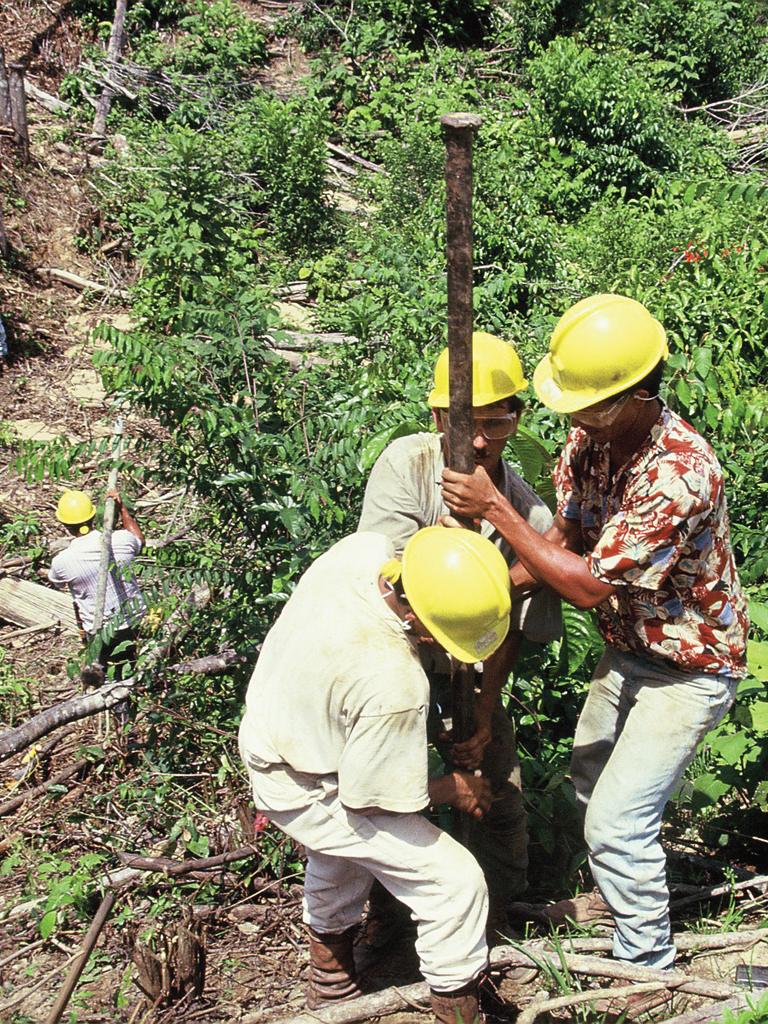
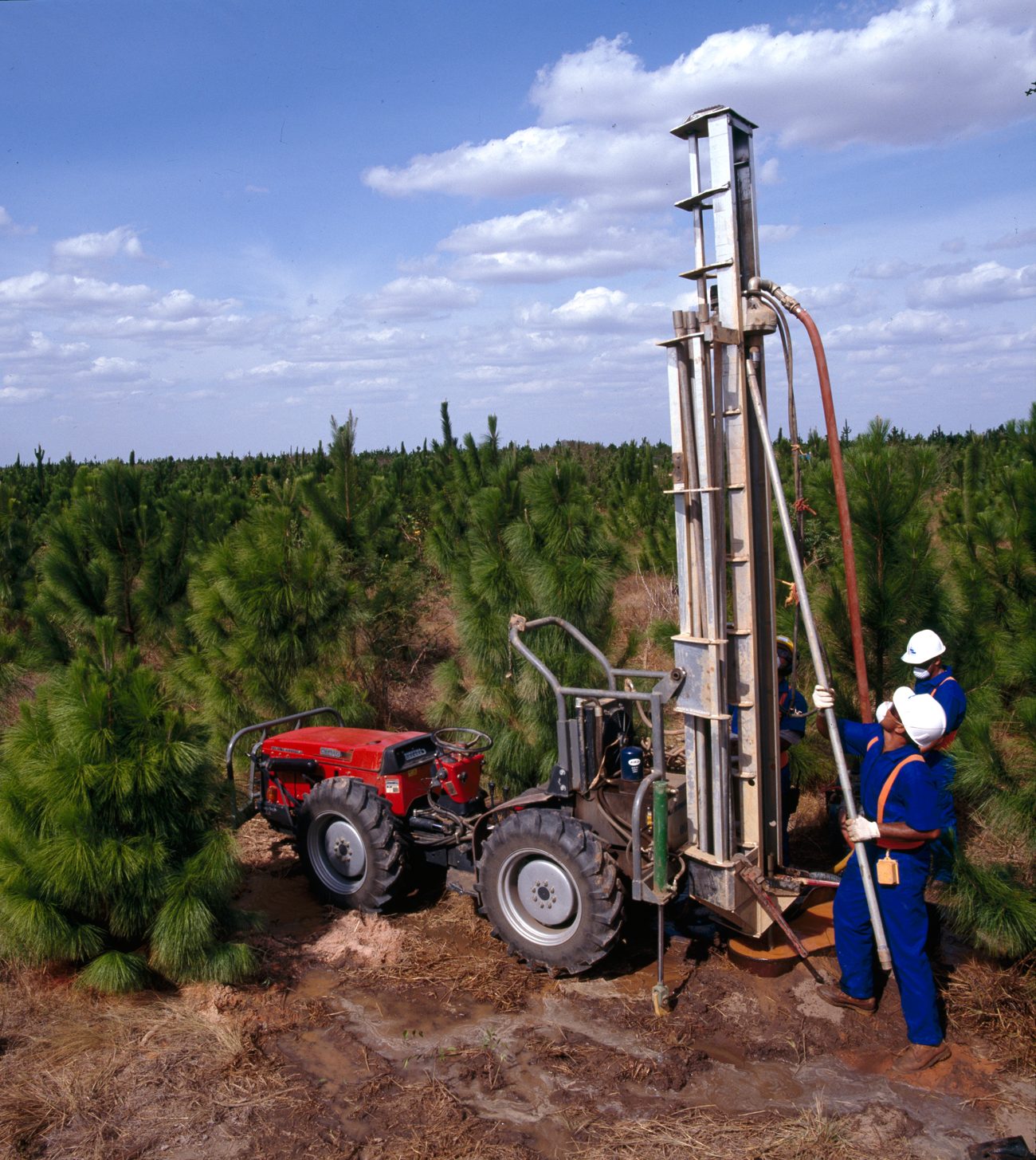
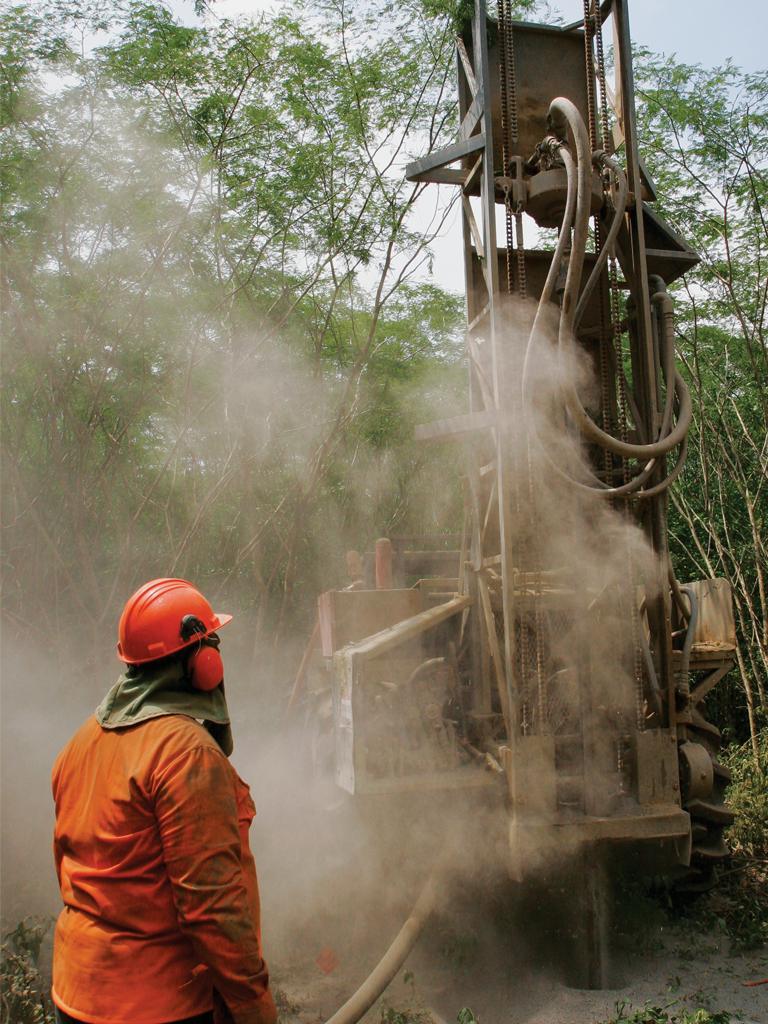
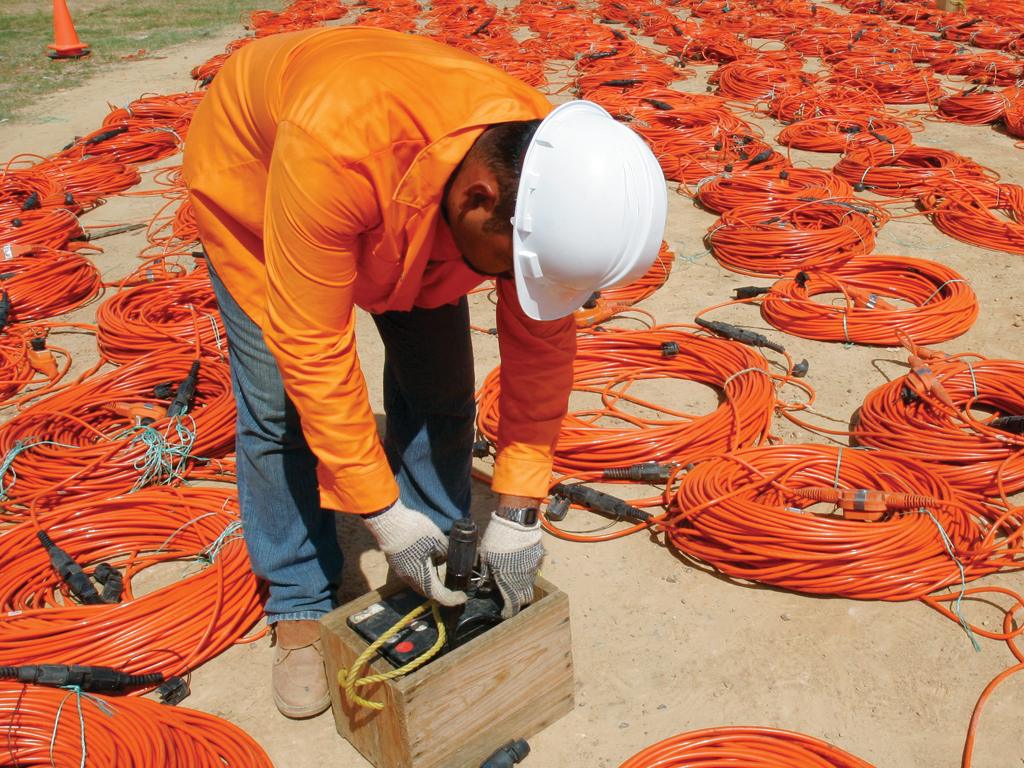
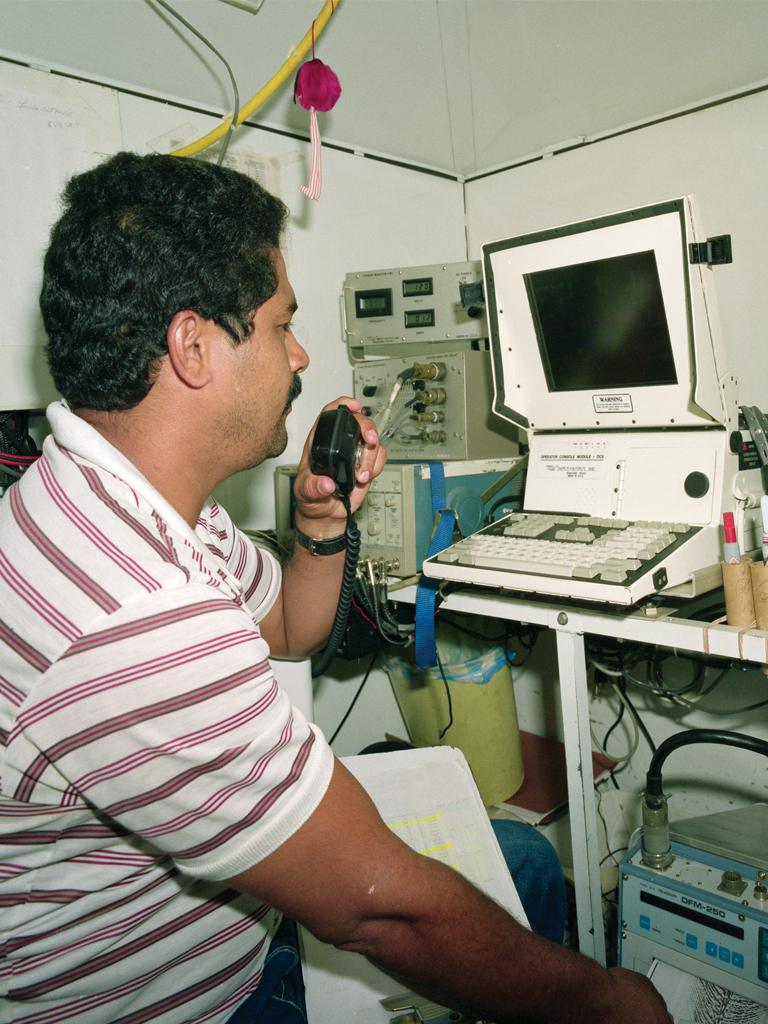
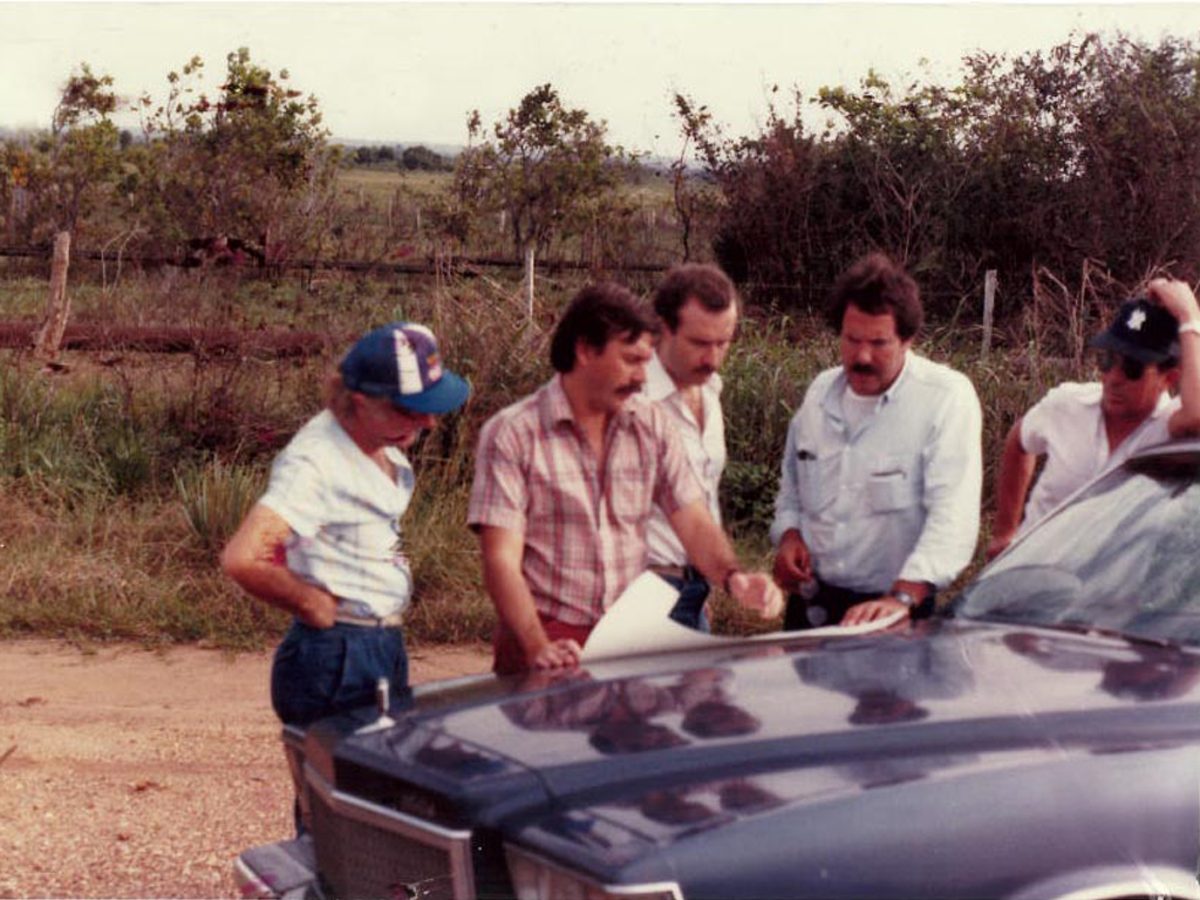
Suelopetrol was born on January 26, 1984 — with 81% Venezuelan capital. In 1992, following a technology transfer process, the company acquired 100% of its capital, becoming fully Venezuelan.
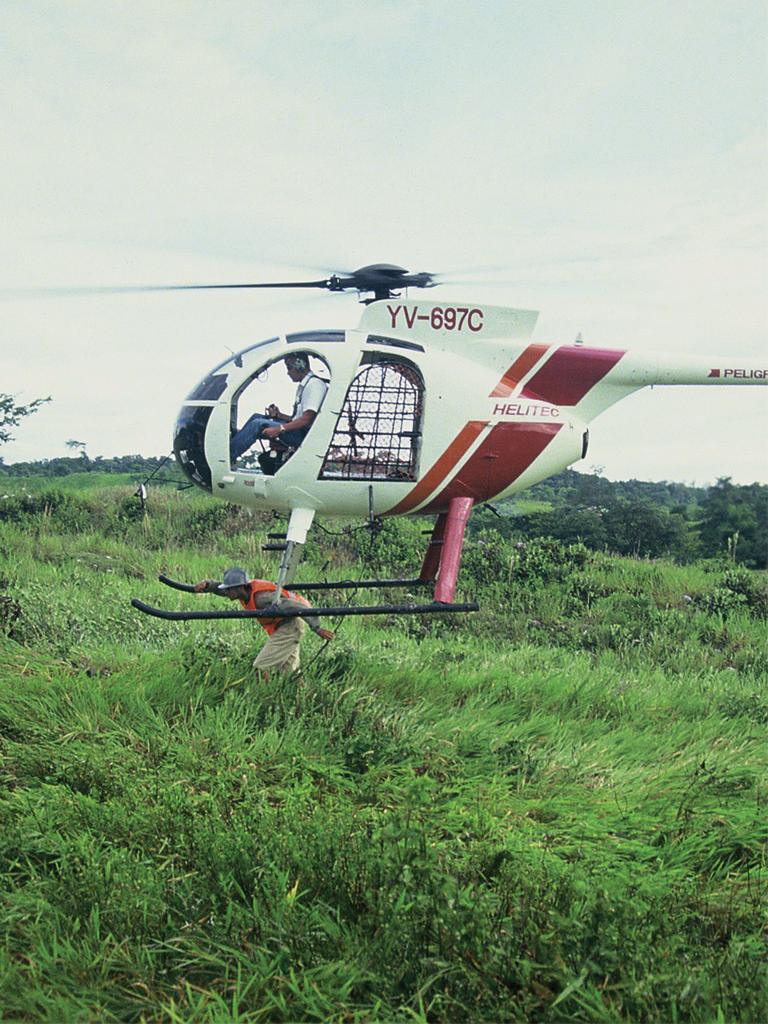
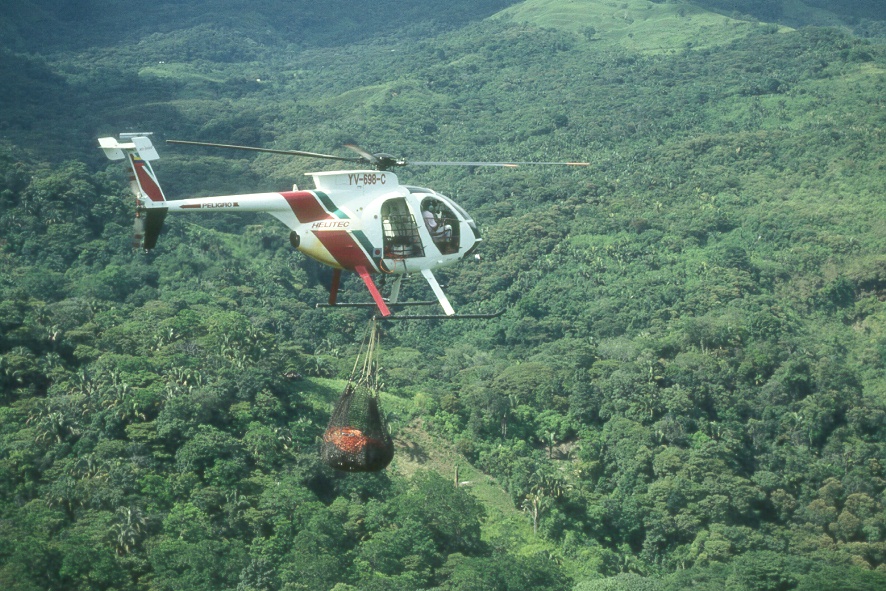
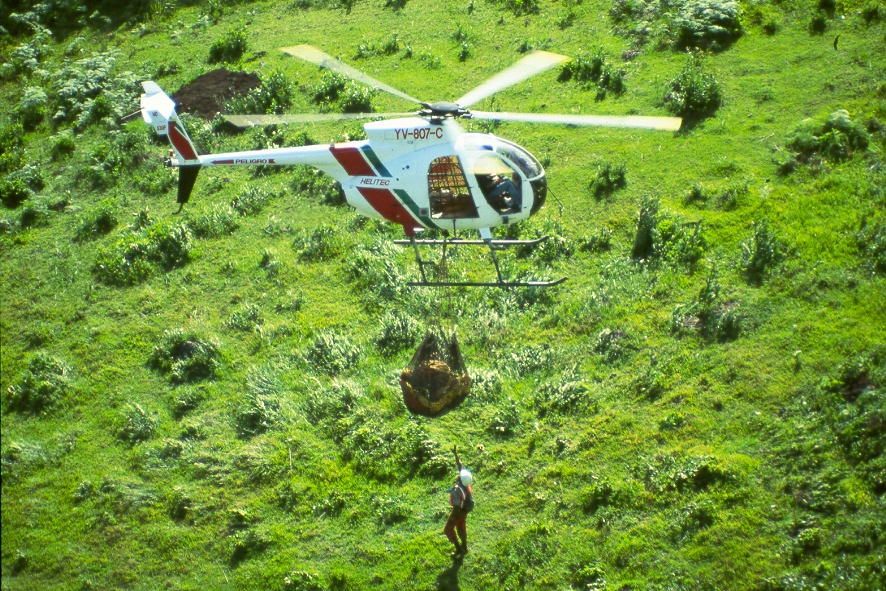
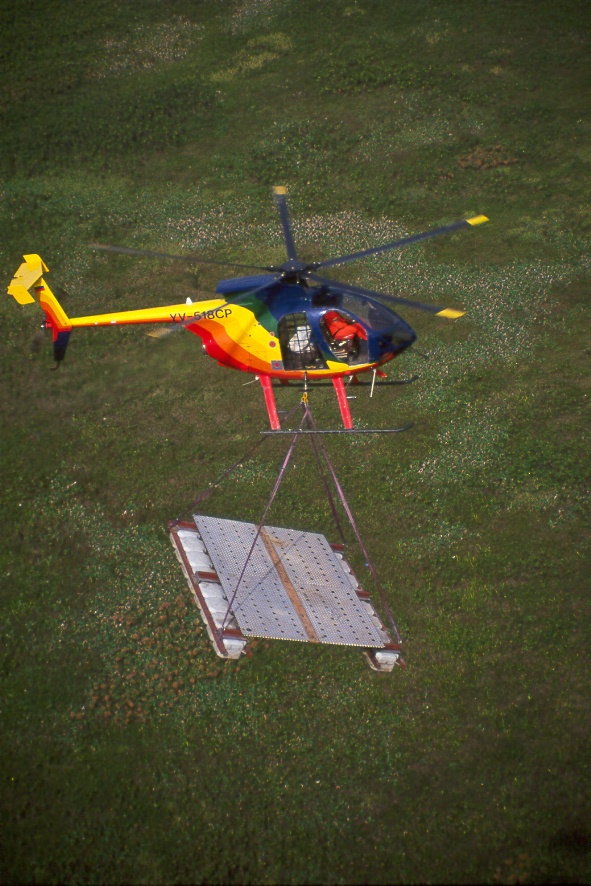
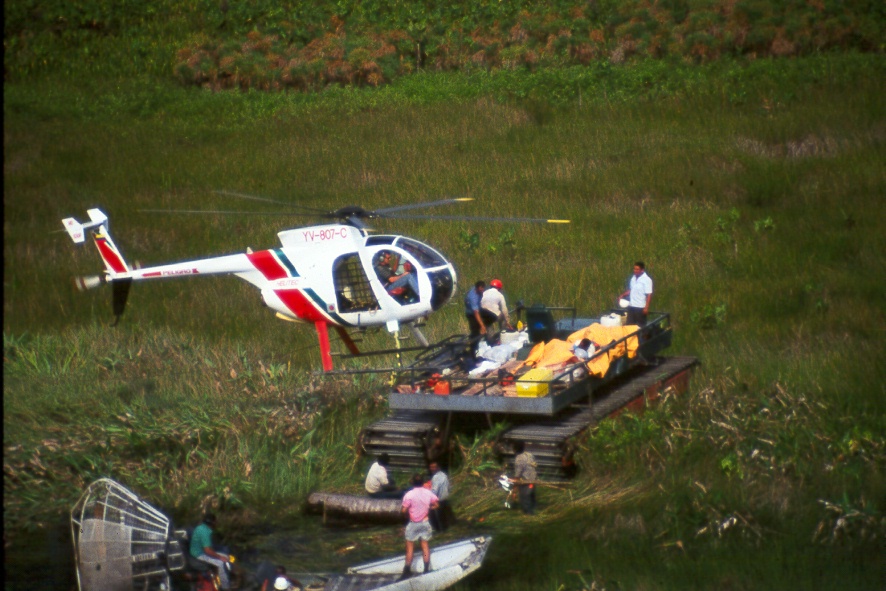
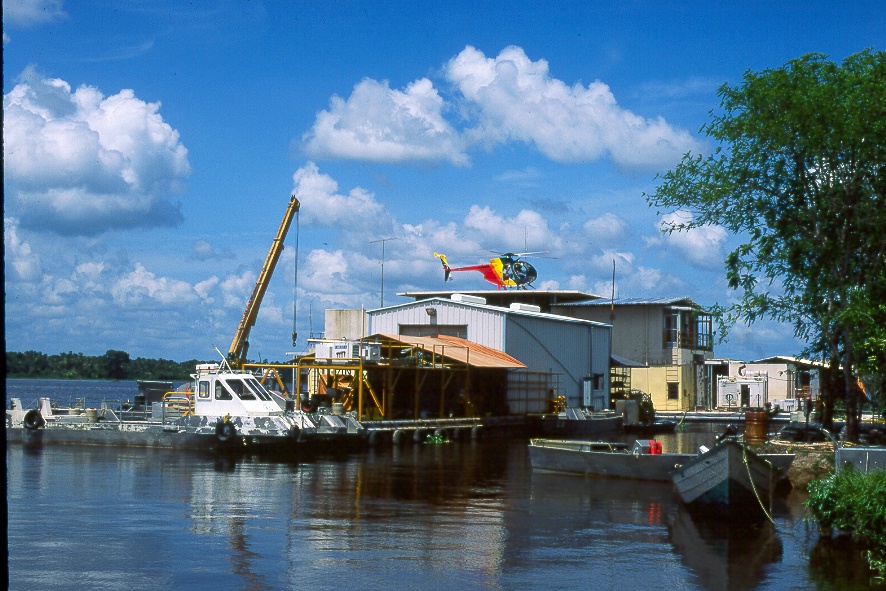
Air logistics in the Eastern Swamp — Consorcio Helitec. Much of the seismic work in this hard-to-reach area relied on helicopter support from Consorcio Helitec, which moved equipment, cargo and personnel by sling load to recording points within the swamp.
Pioneers on the Stock Exchange. In 1995, amid the opening of the oil sector, Suelopetrol entered the capital markets — a bold move and the first of its kind in the Venezuelan oil industry. In 1998, in the midst of the Asian financial crisis with oil at USD 7 a barrel, Suelopetrol listed on the Caracas Stock Exchange. The offering was successful, establishing Suelopetrol as the first Venezuelan oil company to carry out an operation of that kind on the Exchange.
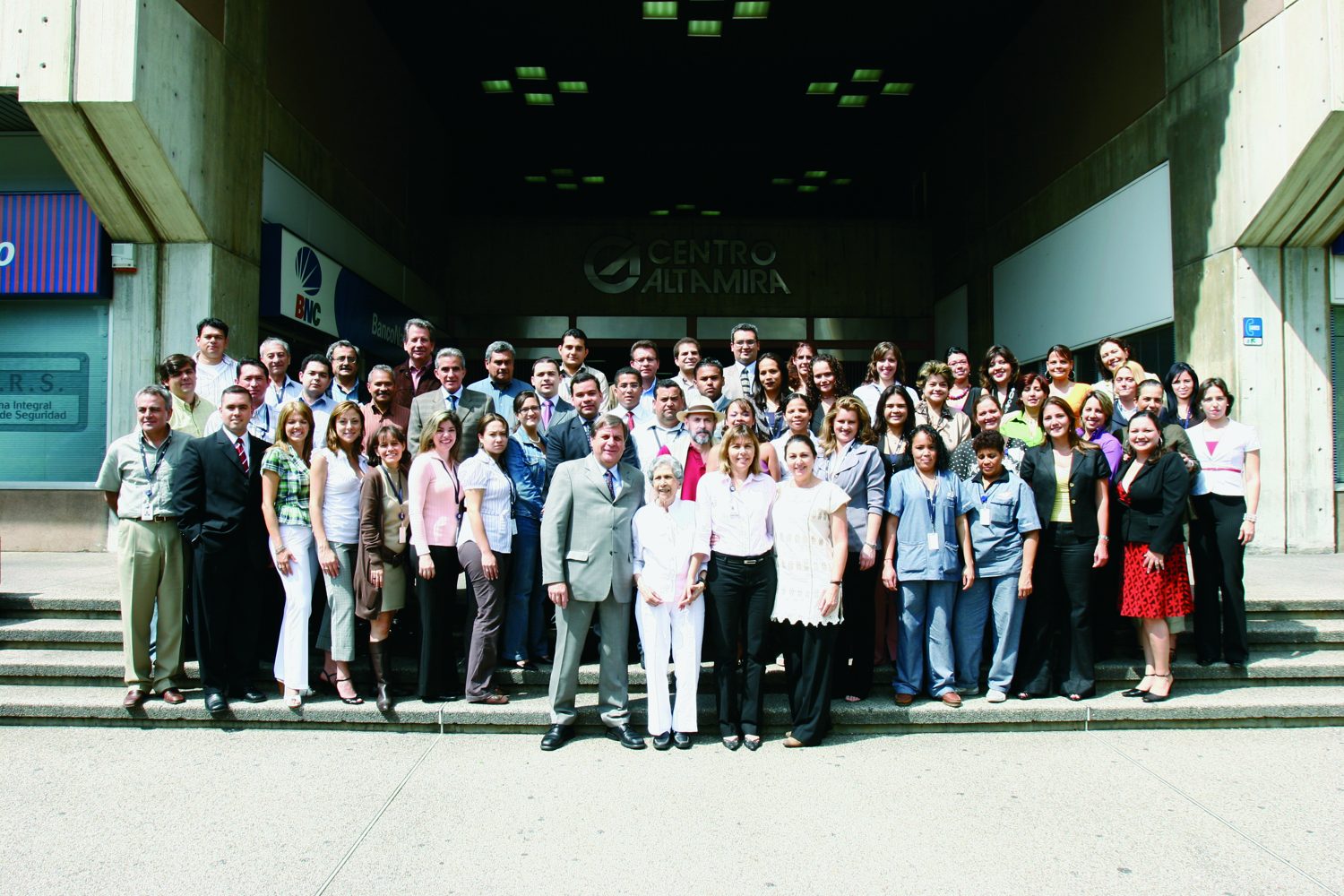
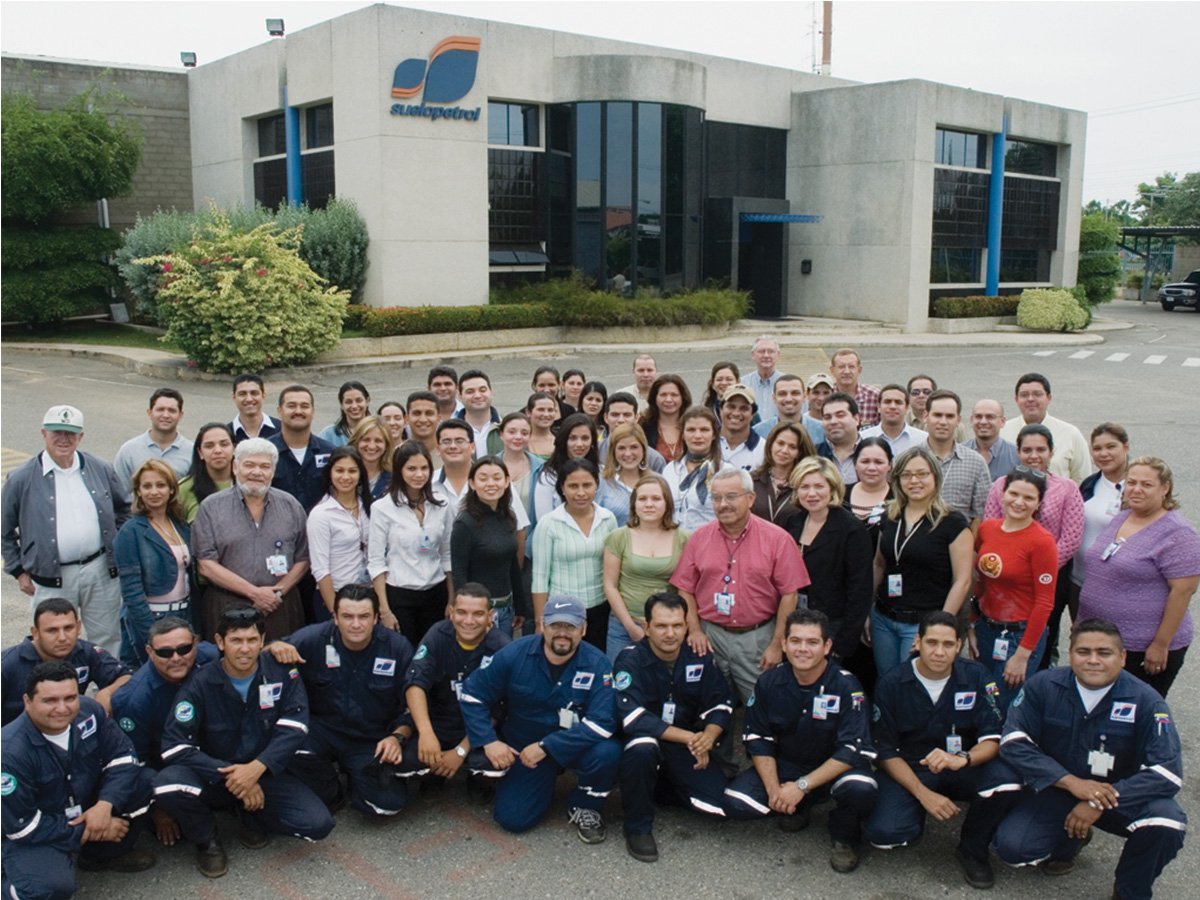
Behind each of these milestones has been a team of more than 100 professionals — engineers, geologists, geophysicists, field technicians and administrative staff — who have sustained Suelopetrol’s operations over more than four decades.
The Cabimas field is not just an oil asset — it is a piece of Venezuela’s history.
It is home to the Barroso 2 well, whose famous 1922 blowout put Venezuela on the world oil map. In that same field, the Schlumberger brothers ran their first electrical well log. The R-002 well, active since 1915, was still producing when Suelopetrol took over operations, with 91 years of continuous operation.
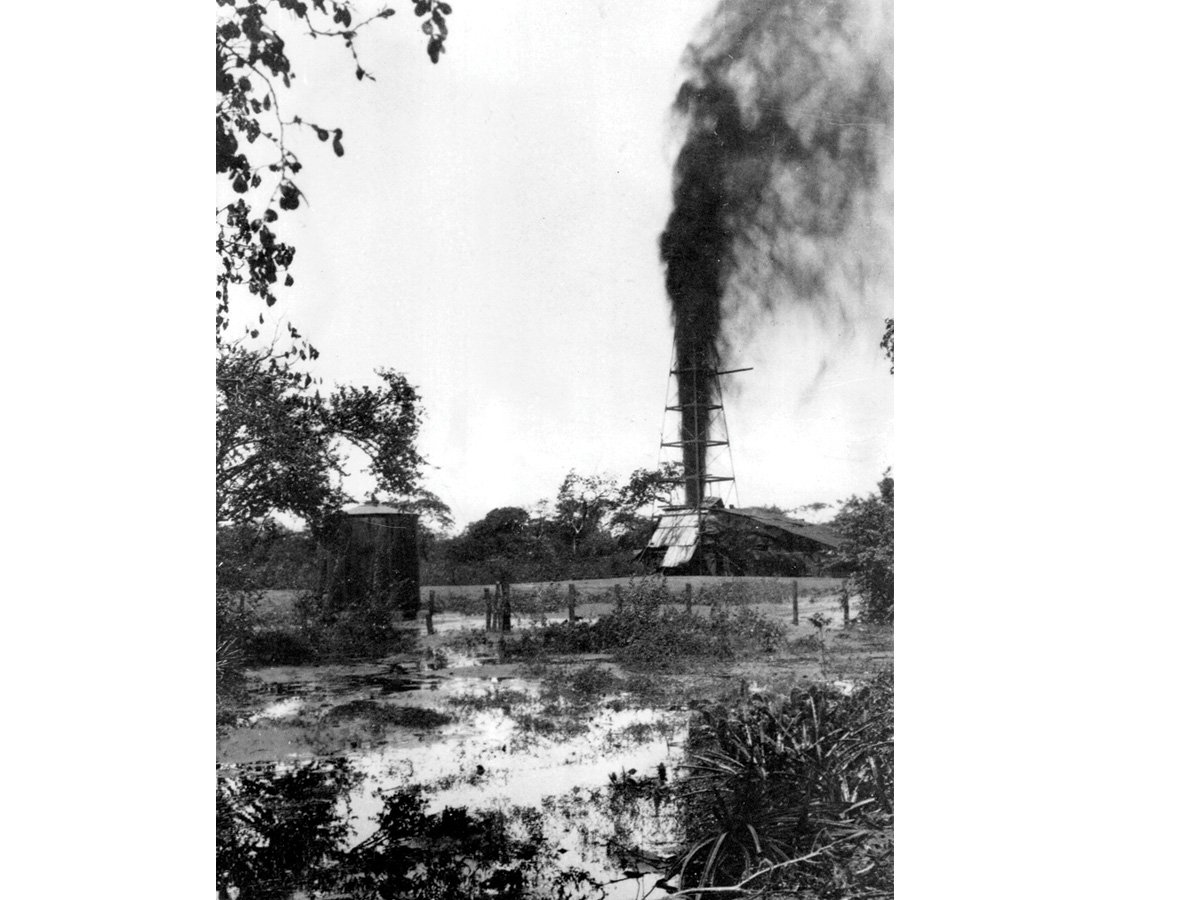
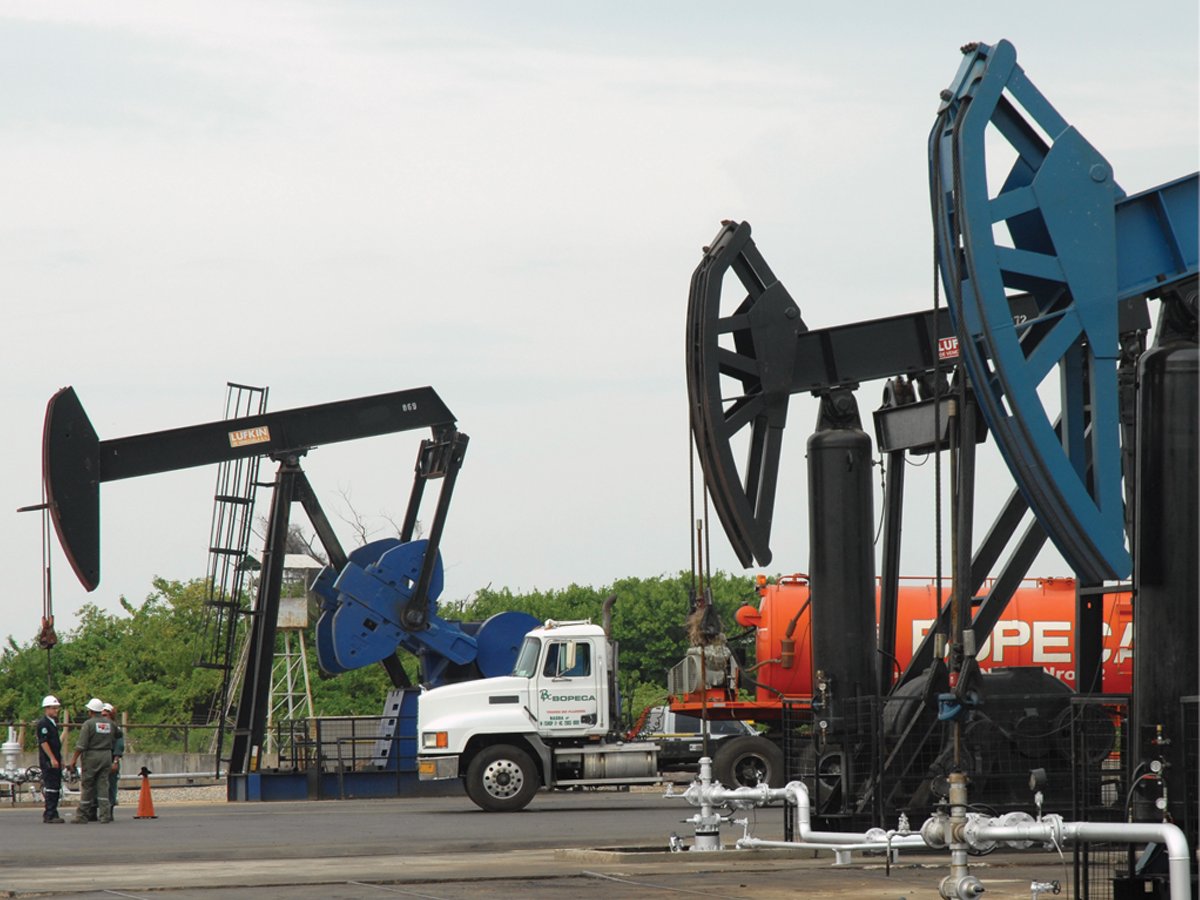
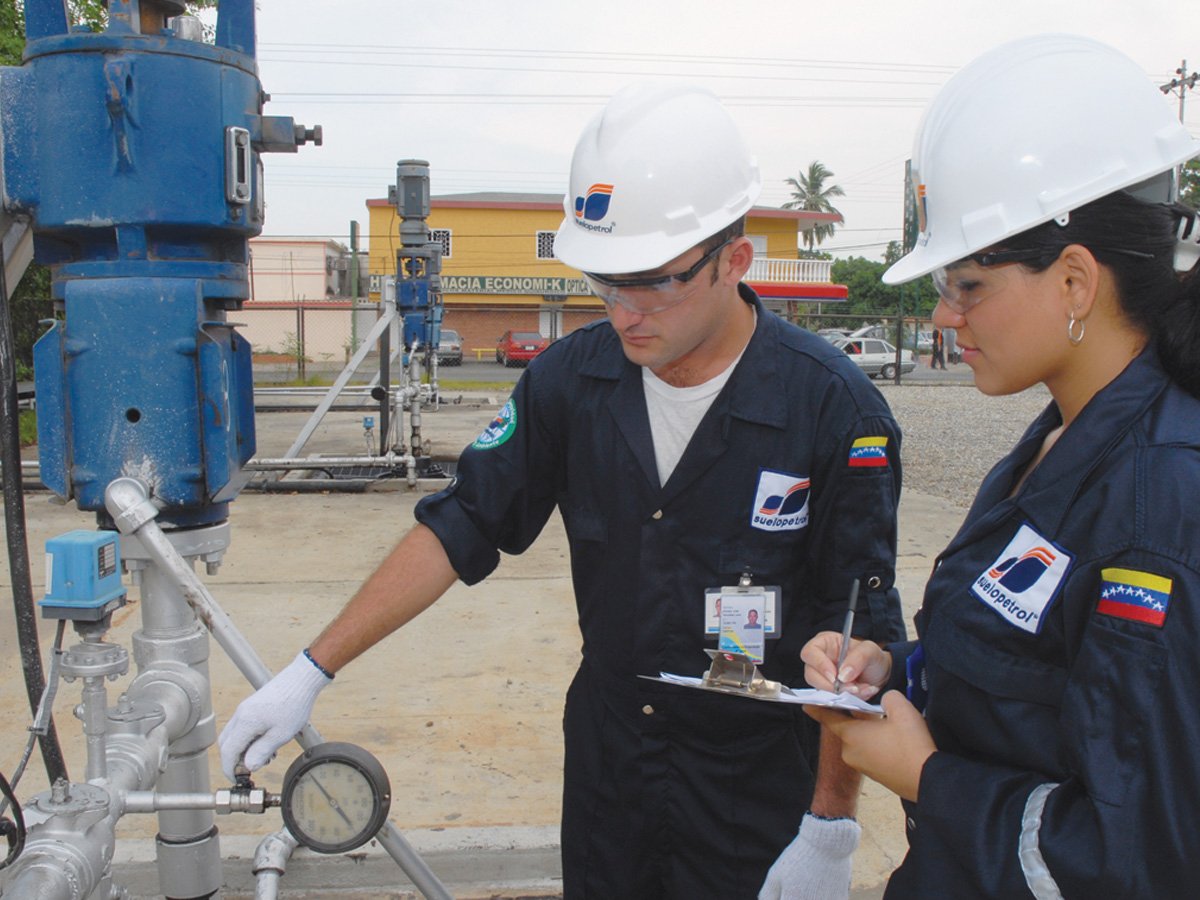
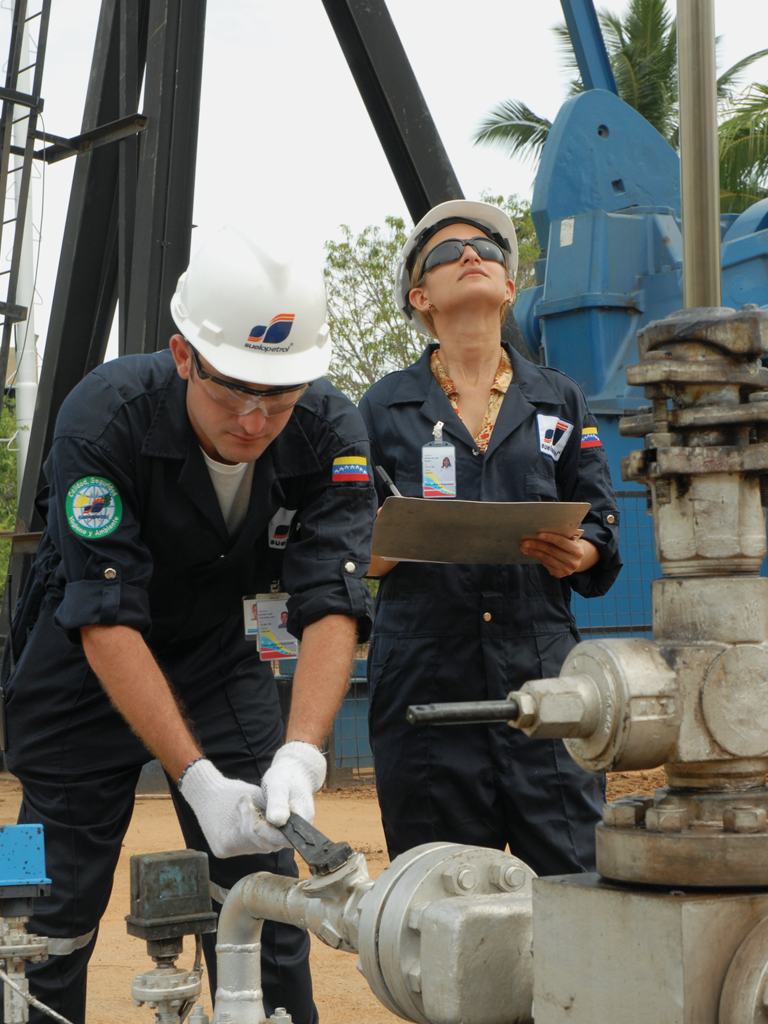
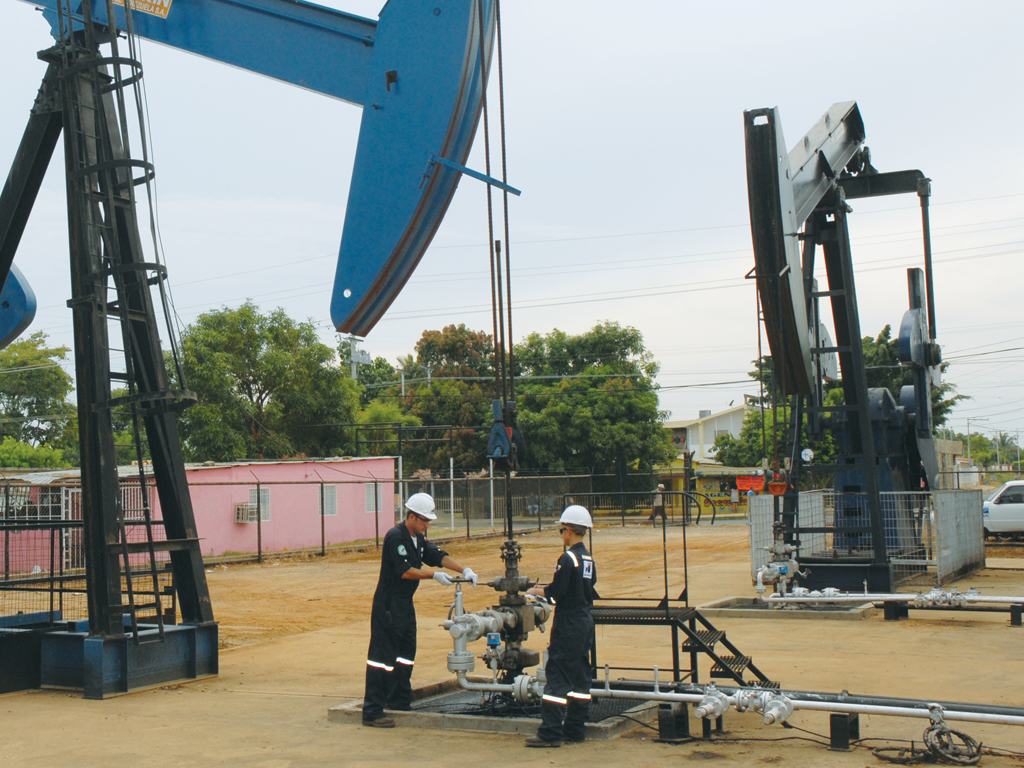
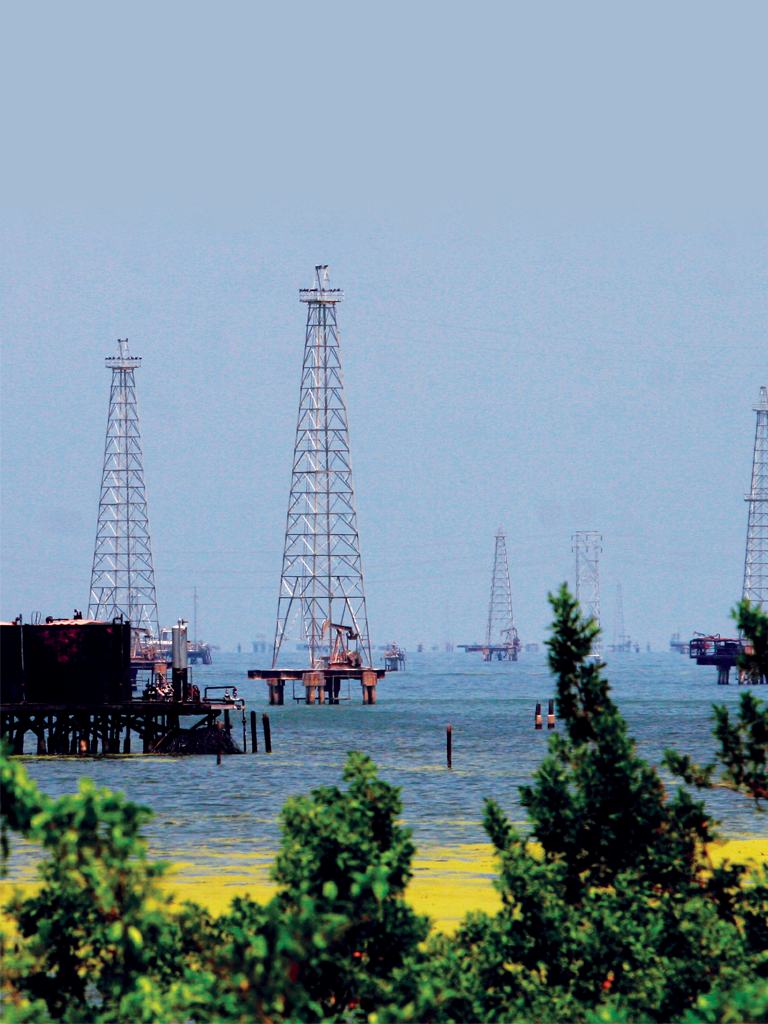
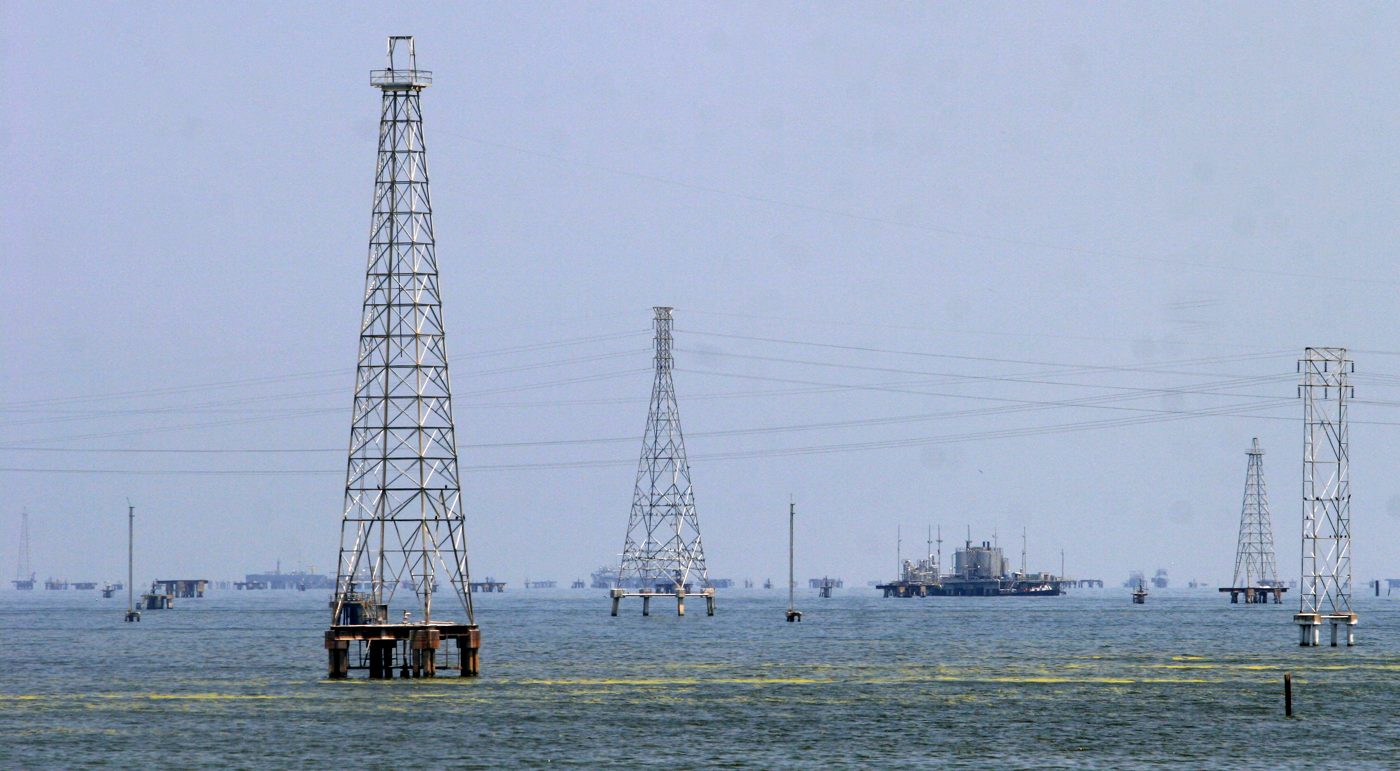
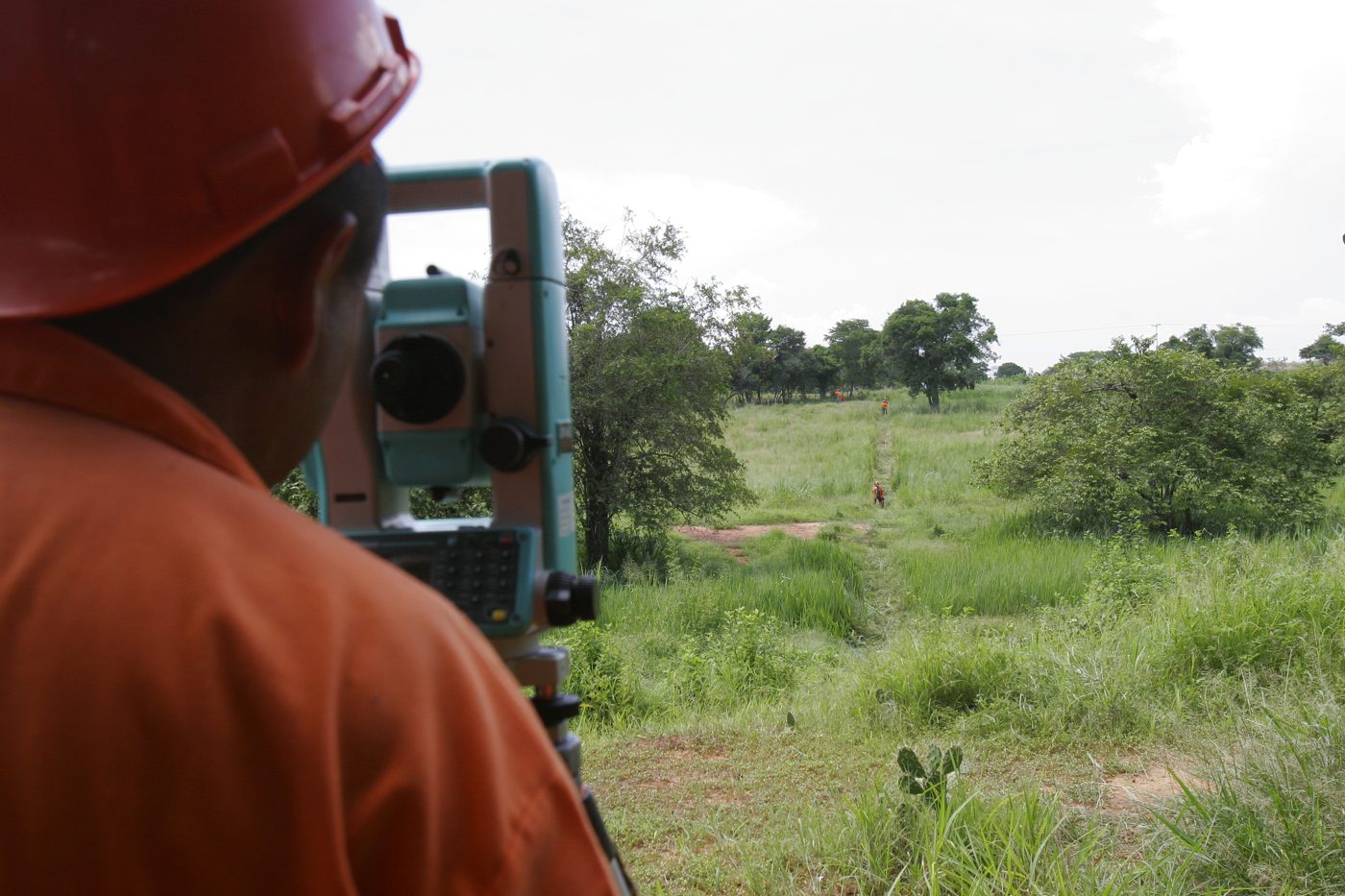
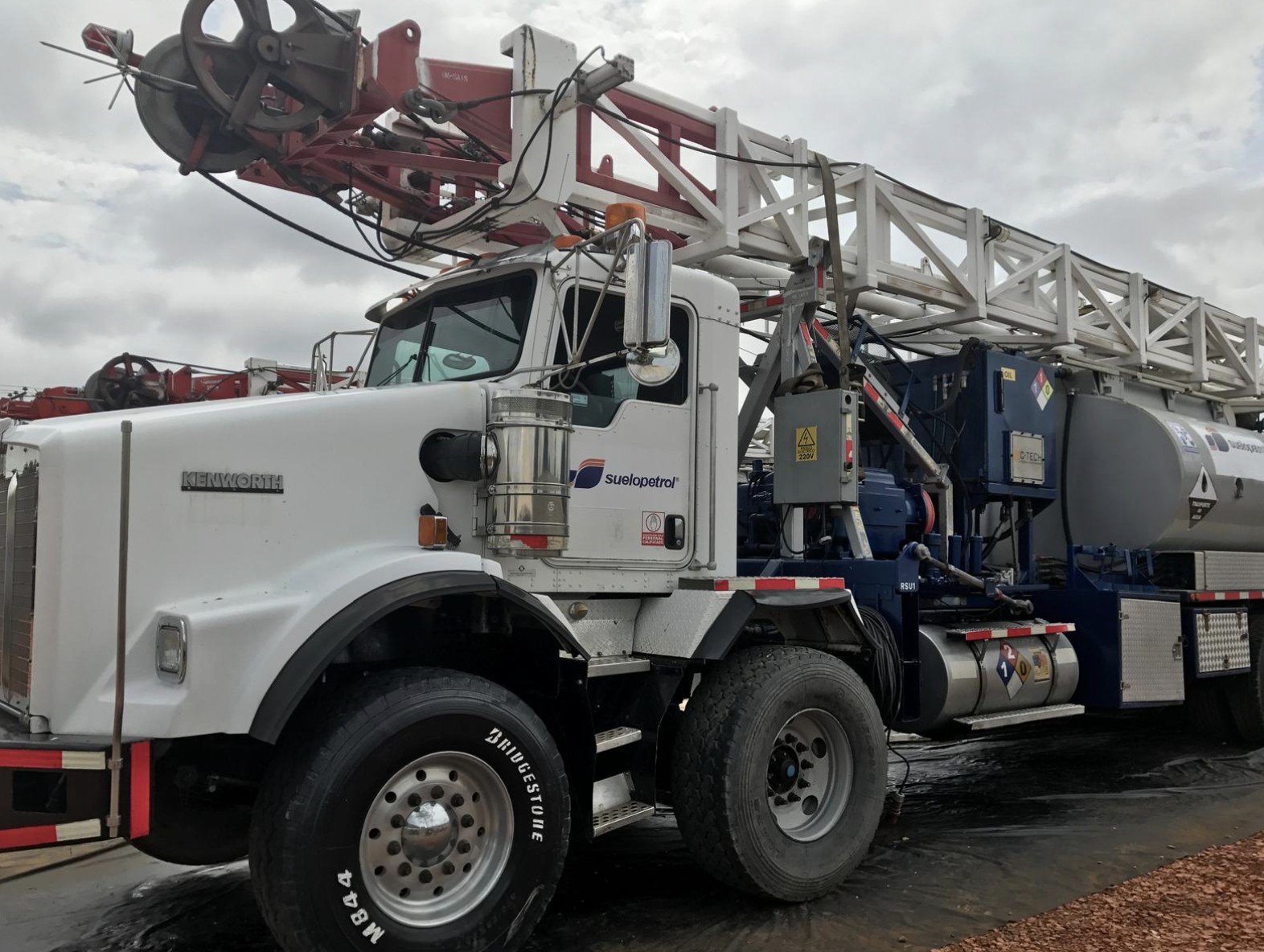
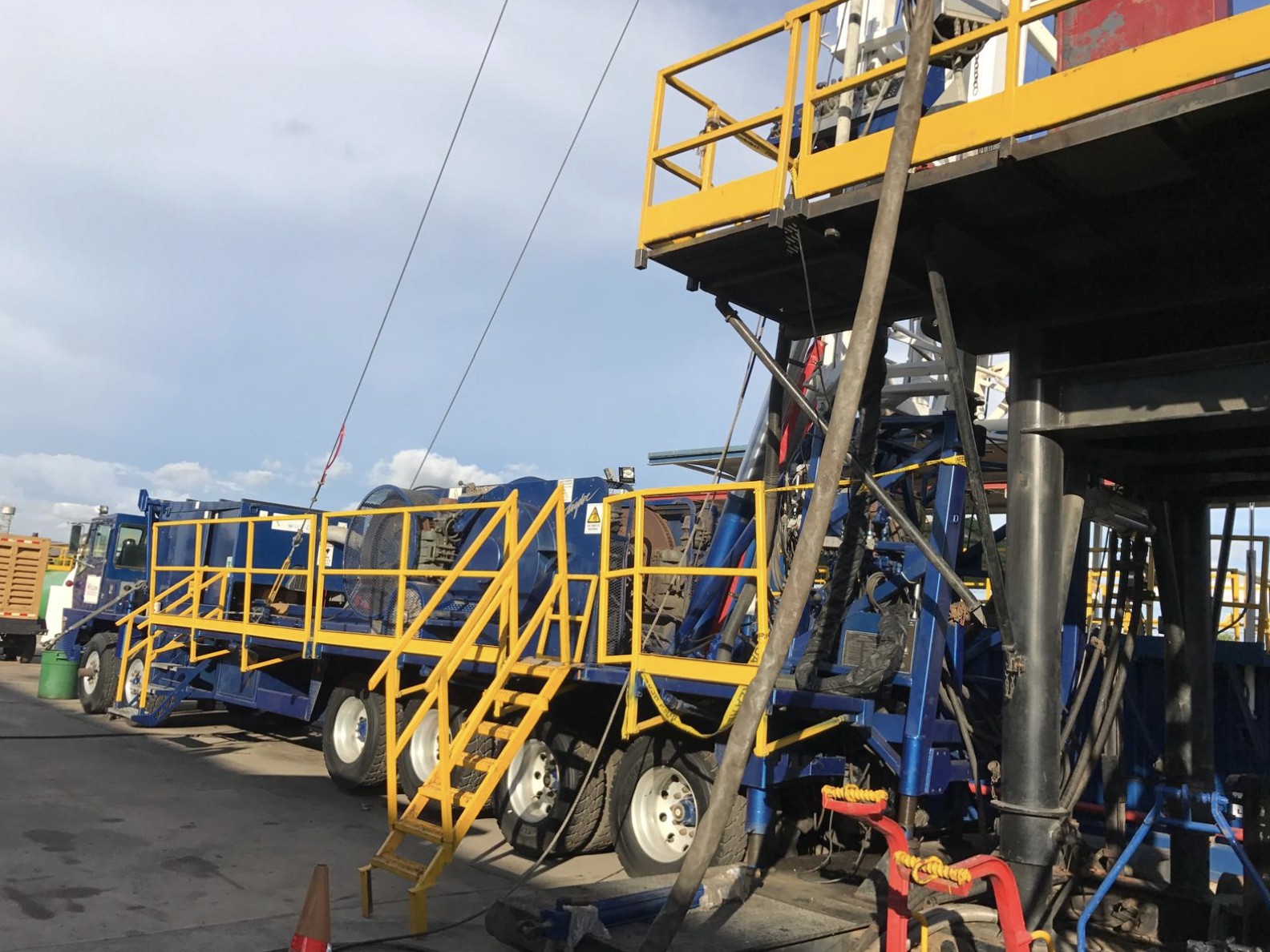
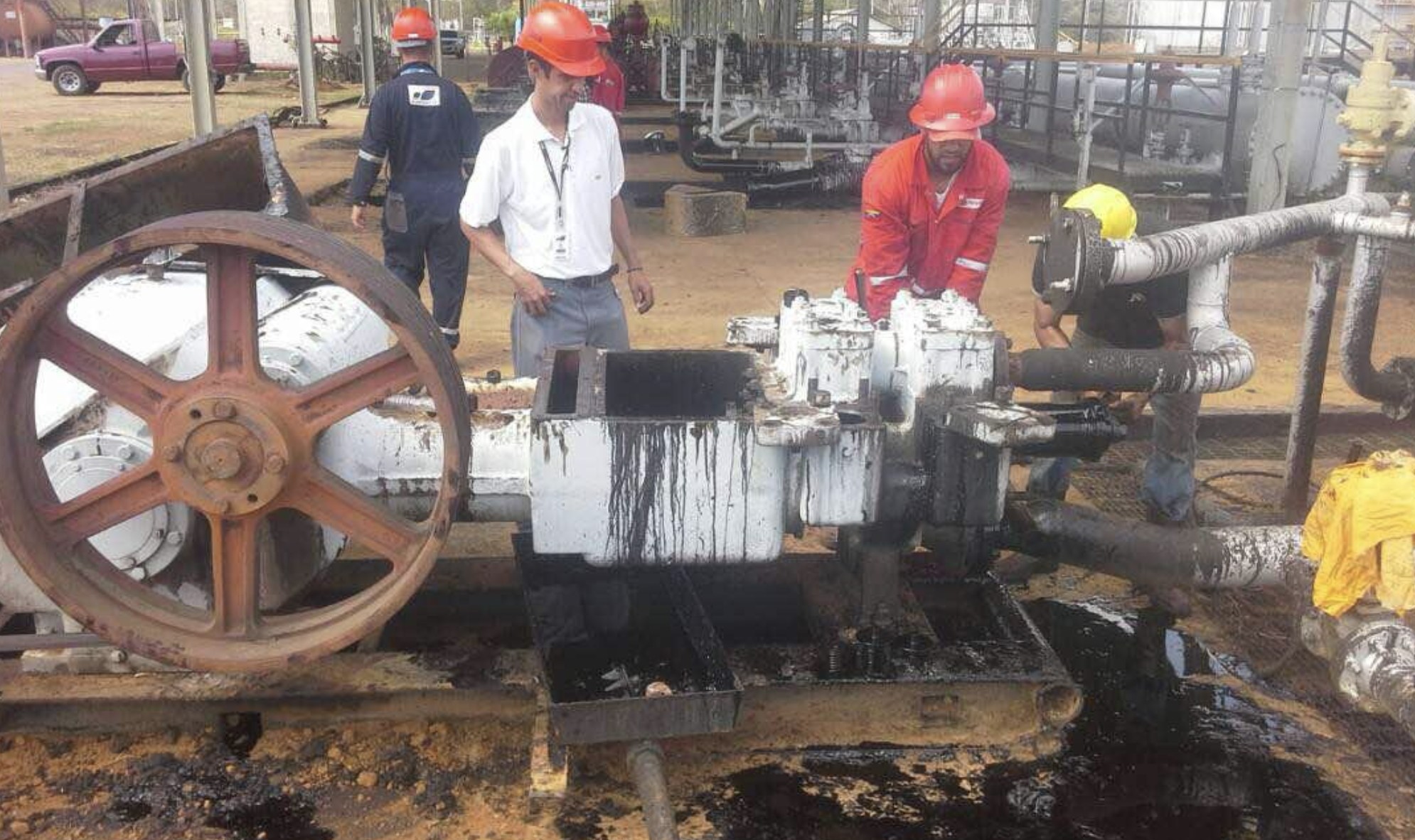
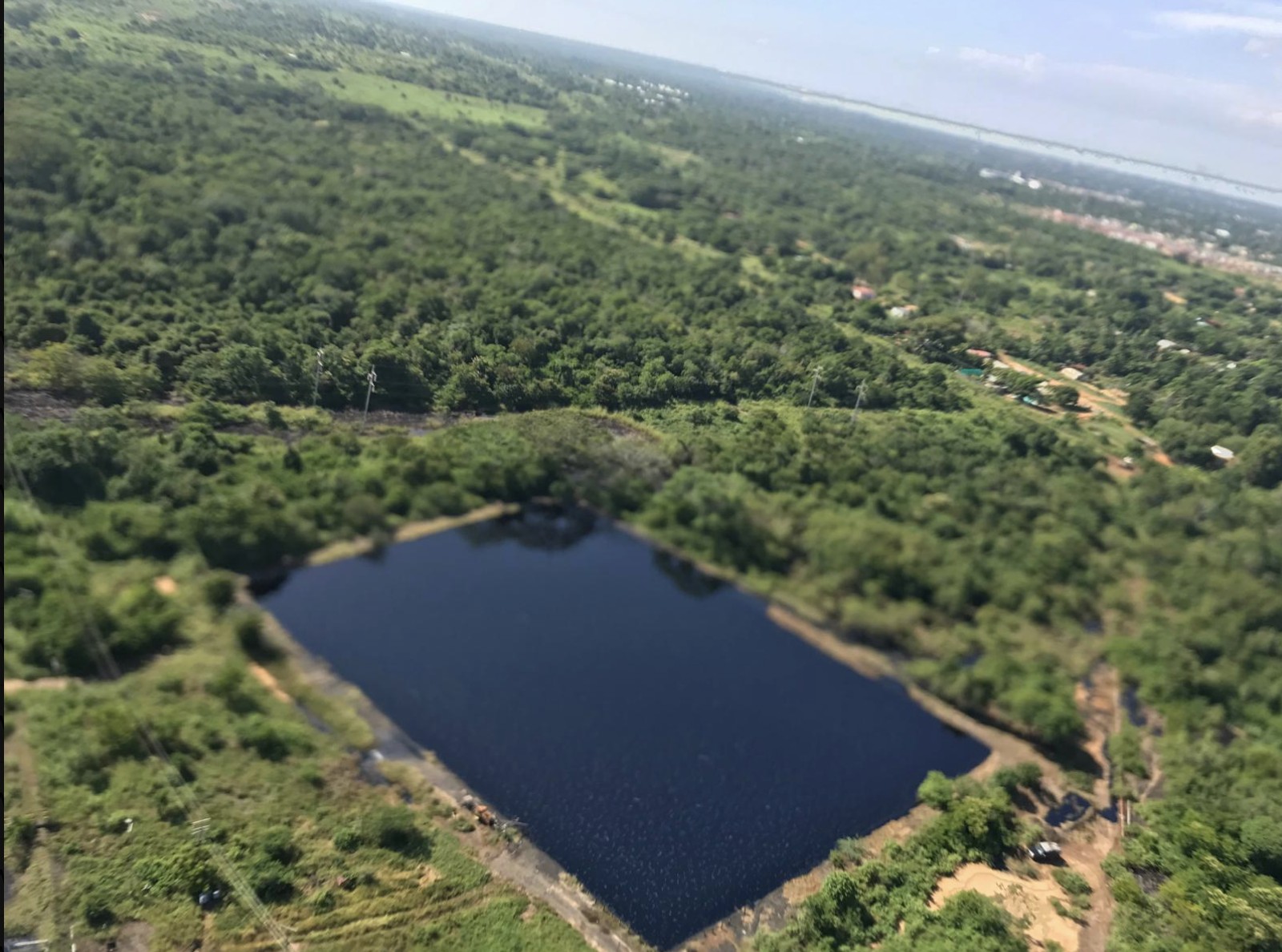
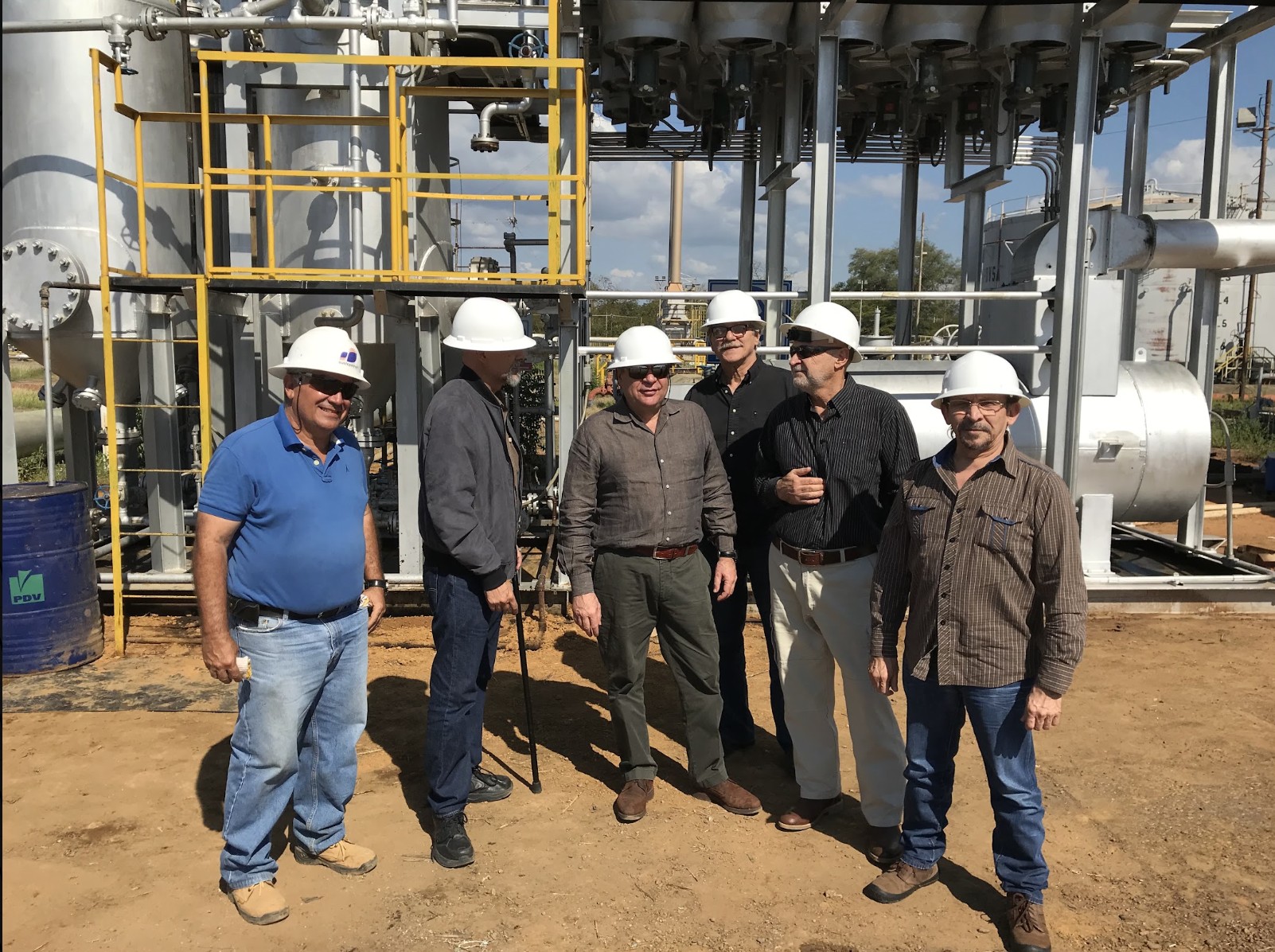
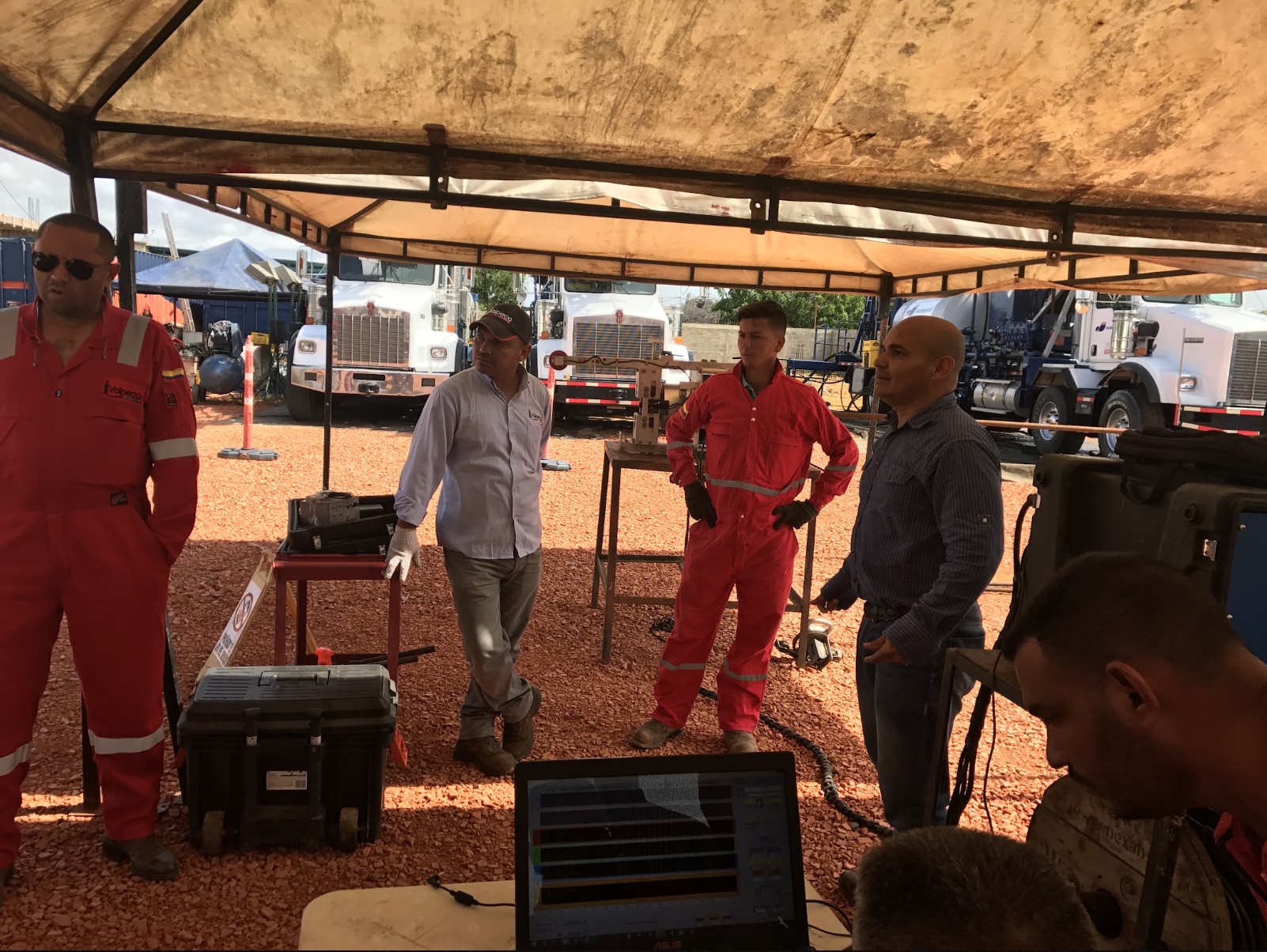
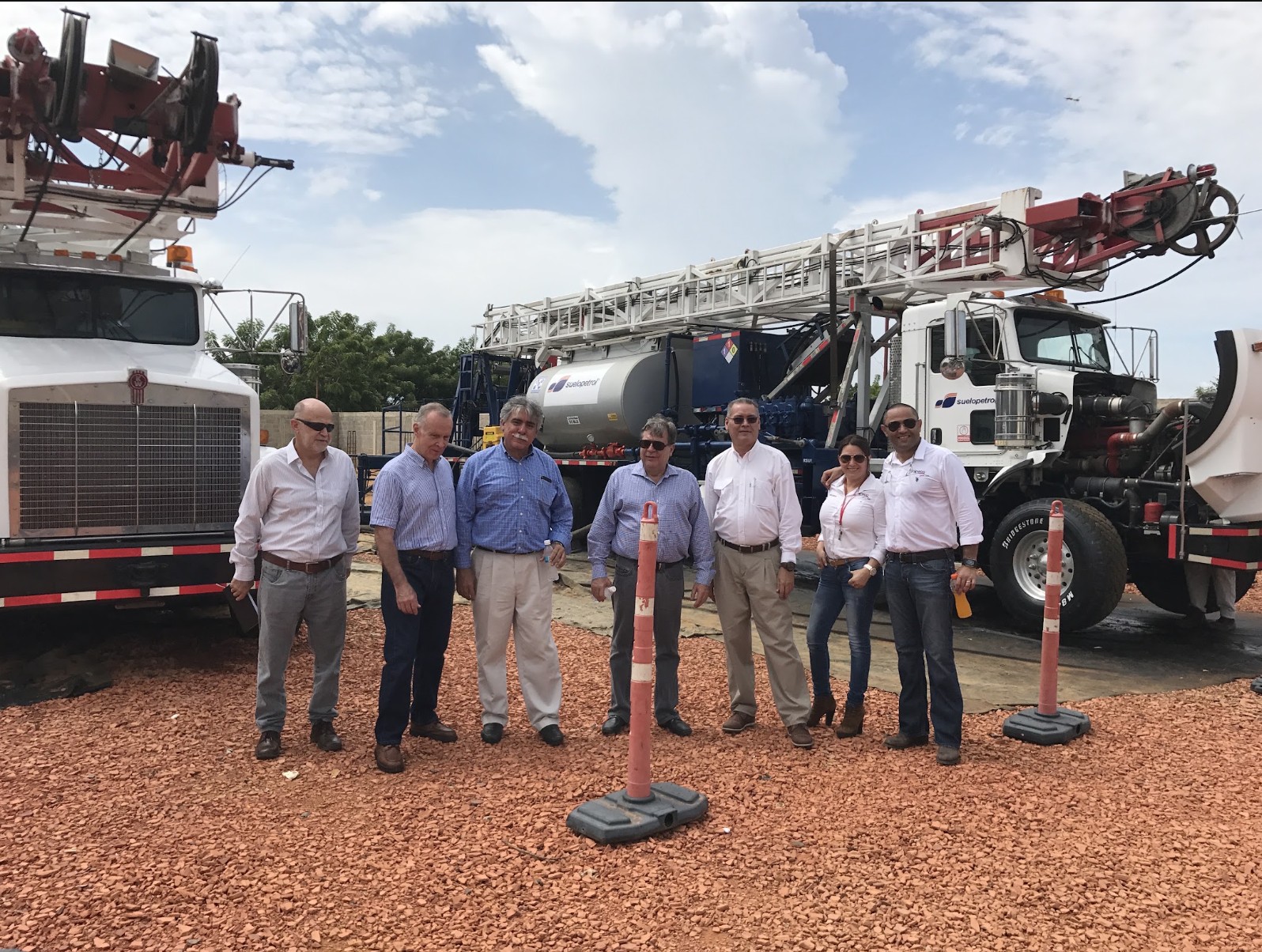
Suelopetrol entered the field in 1997 with Preussag Energie and became operator in 2004. In 2006, upon transitioning to the Petrocabimas joint venture with PDVSA (60%) and Suelopetrol (40%), the company also took on a deep community development role: building hog-raising sheds, water purification systems in schools, road repairs, and providing medical equipment to the Barrio Adentro health system.
In such an urban field — where pump jacks operate literally in neighbors’ backyards — community relations were not an option but a necessity.
| G.O. 38.430 | May 5, 2006 — Creation of the Petrocabimas Joint Venture | |
| G.O. 38.539 | Oct. 9, 2006 — Corporate bylaws of Petrocabimas, S.A. | Download PDF |
| G.O. 38.571 | Nov. 24, 2006 — Official transfer of the Cabimas field | |
| G.O. 40.146 | April 12, 2013 — Approval for the Petrocabimas Joint Venture to operate the Tía Juana Pesado, Cabimas Este, Cabimas Este 2 and Cabimas Sur fields | Download PDF |
| G.O. 40.381 | March 27, 2014 — Transfer of additional fields for 25 years | Download PDF |
Starting in 2017, the context of international sanctions on the Venezuelan oil sector reduced Petrocabimas’ operations. Suelopetrol continued to fund the trust through its own efforts to sustain operations.
A new-generation extra-heavy crude project, in the largest extra-heavy crude accumulation on the planet.
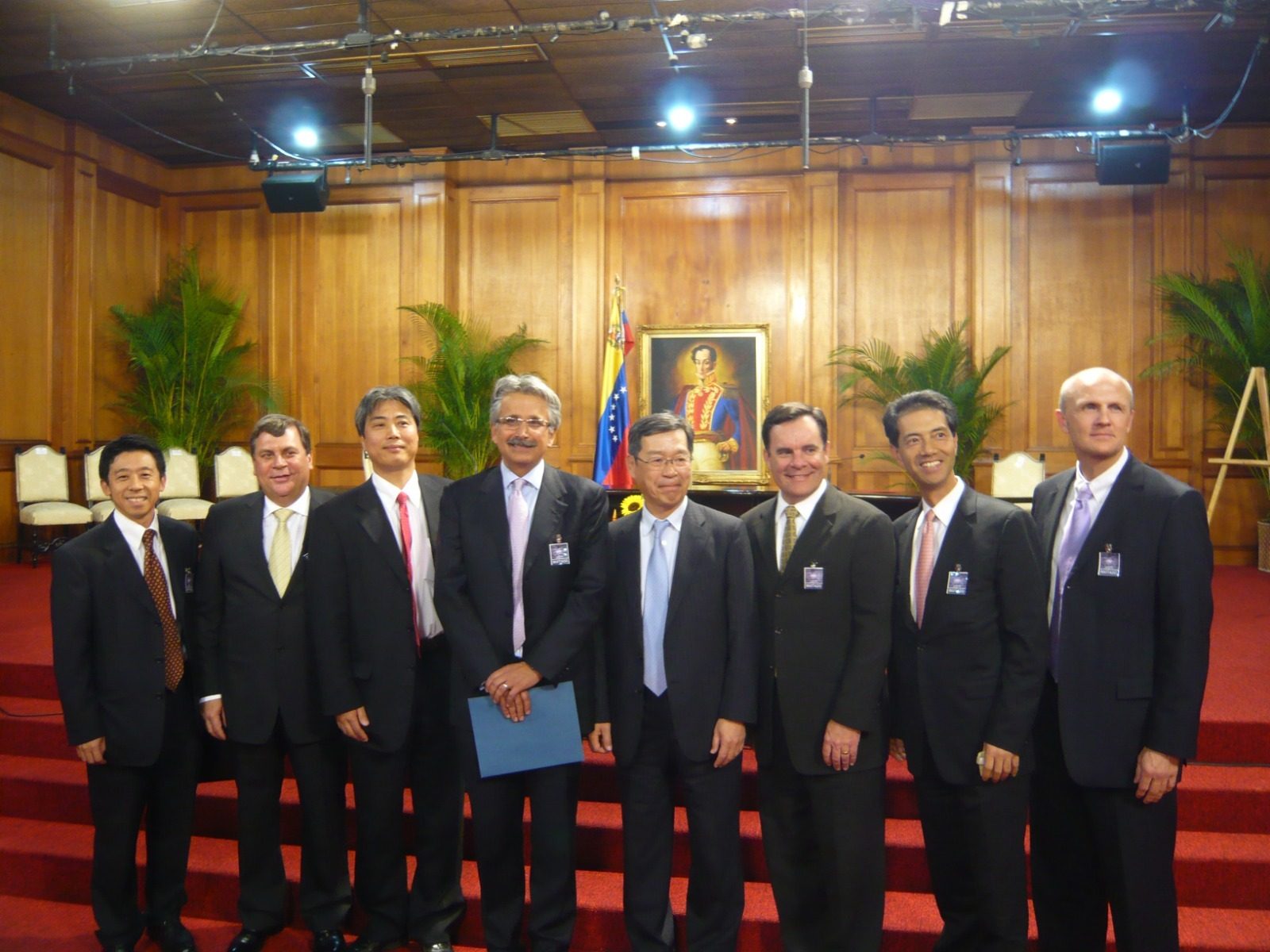
Petroindependencia S.A. is a joint venture that operates Block Carabobo 3, in the Orinoco Oil Belt (Carabobo state). Carabobo 3 crude is extra-heavy (7.5° API) and requires upgrading before commercialization through an upgrader plant.
Suelopetrol Internacional S.A. — the Spanish subsidiary of Suelopetrol C.A. (Venezuela) — participates as a minority partner in the private consortium, contributing its technical expertise in seismic exploration services.
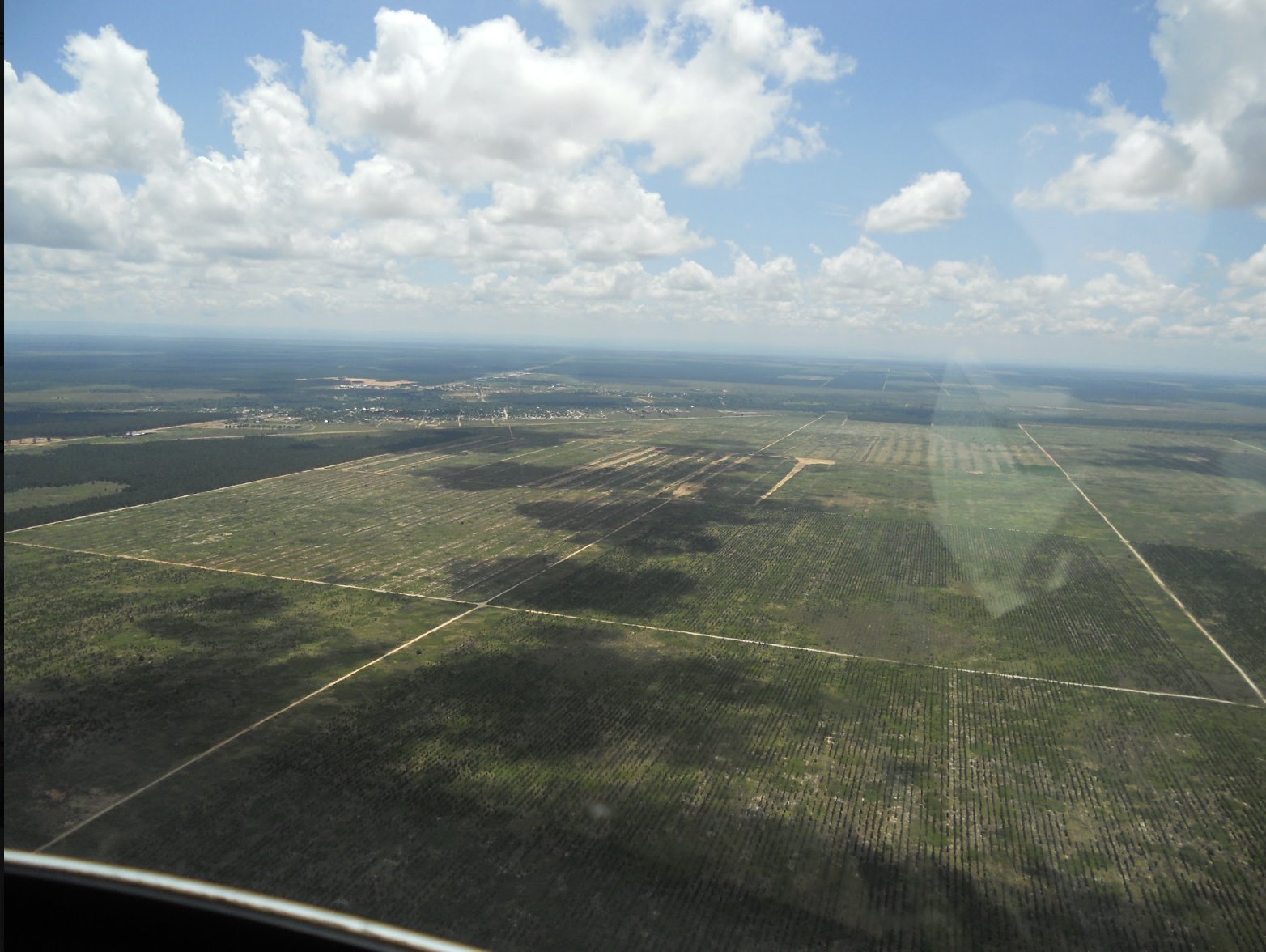
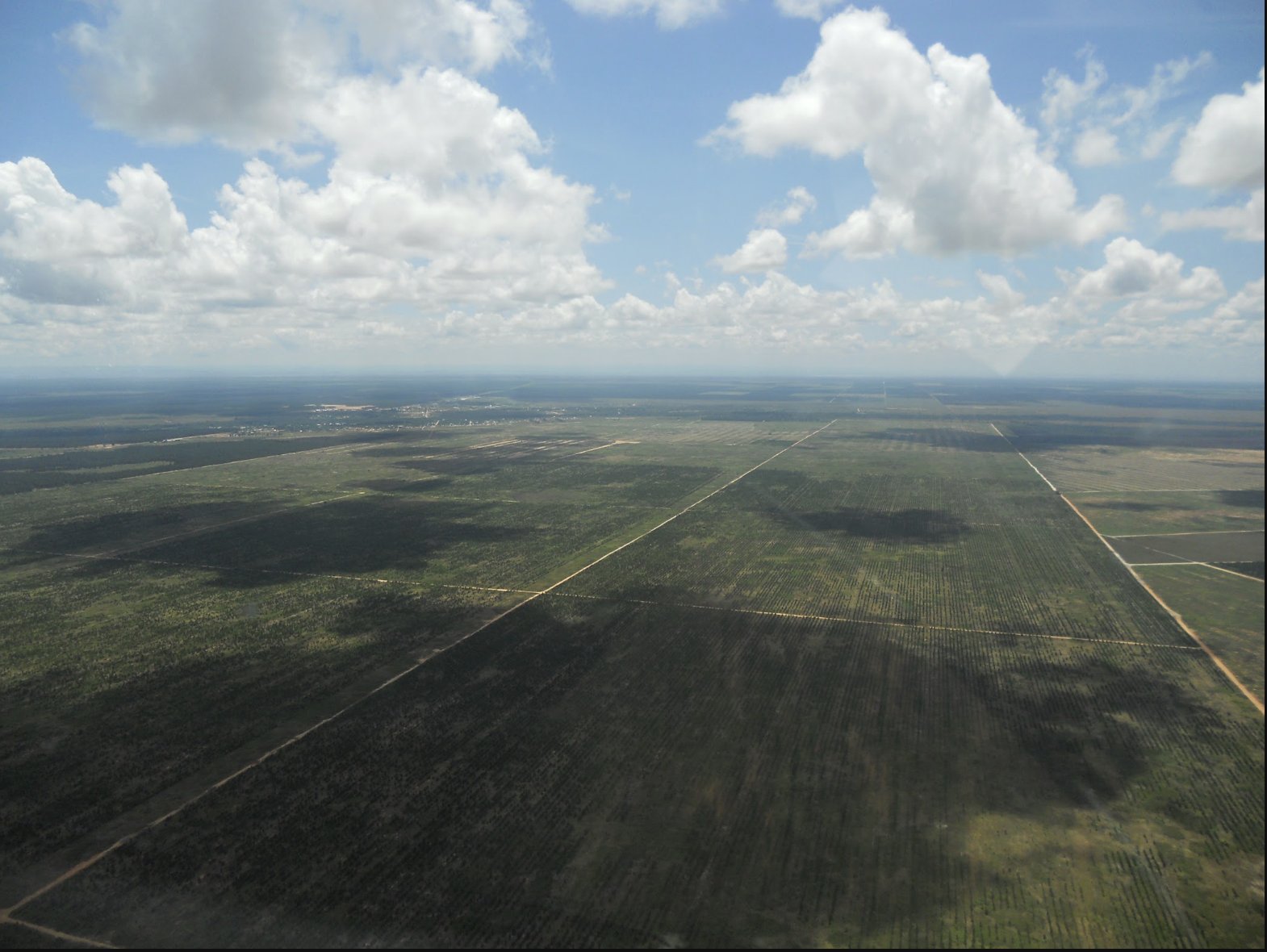
| G.O. 39.404 | April 15, 2010 — Incorporation of the Petroindependencia, S.A. Joint Venture | |
| G.O. 39.463 | July 12, 2010 — Certificate of Incorporation and Bylaws of the Petroindependencia, S.A. Joint Venture | Download PDF |
| G.O. 42.922 | July 17, 2024 — 15-year extension of operations (2035–2050 Business Plan) | Download PDF |
On April 9, 2026, Chevron Corporation publicly announced an asset swap with PDVSA that included receiving an additional 13.21% stake in Petroindependencia. Days later, the company publicly stated it had not been notified of this expansion of operations. As of this publication, the situation remains without formal resolution.
Operations remain constrained by the context of international sanctions on the Venezuelan oil sector, despite legitimately awarded contracts. A new team continues actively working to document and preserve the company’s legacy in this project.
Suelopetrol, also a benchmark in the Services sector.
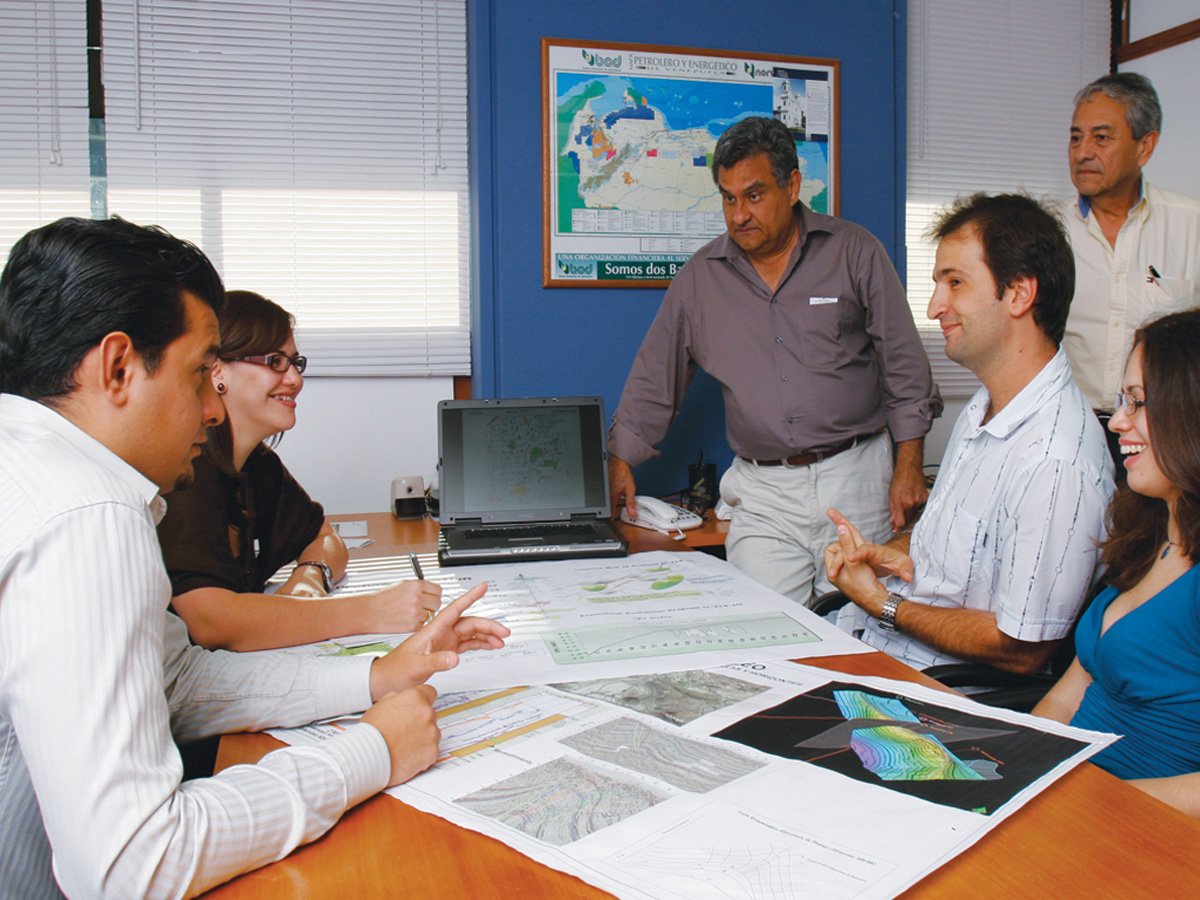
The Center for Technological Specialties (CET) is Suelopetrol’s scientific arm. Made up of geologists, geophysicists, petrophysicists and reservoir engineers, it carries out integrated studies ranging from the generation of geological models to the full economic evaluation of a field — more than 40 studies in Venezuela and abroad. The Caracas office also has its own Seismic Data Processing Center, which together with the CET supports field operations and evaluates new exploration and production opportunities.
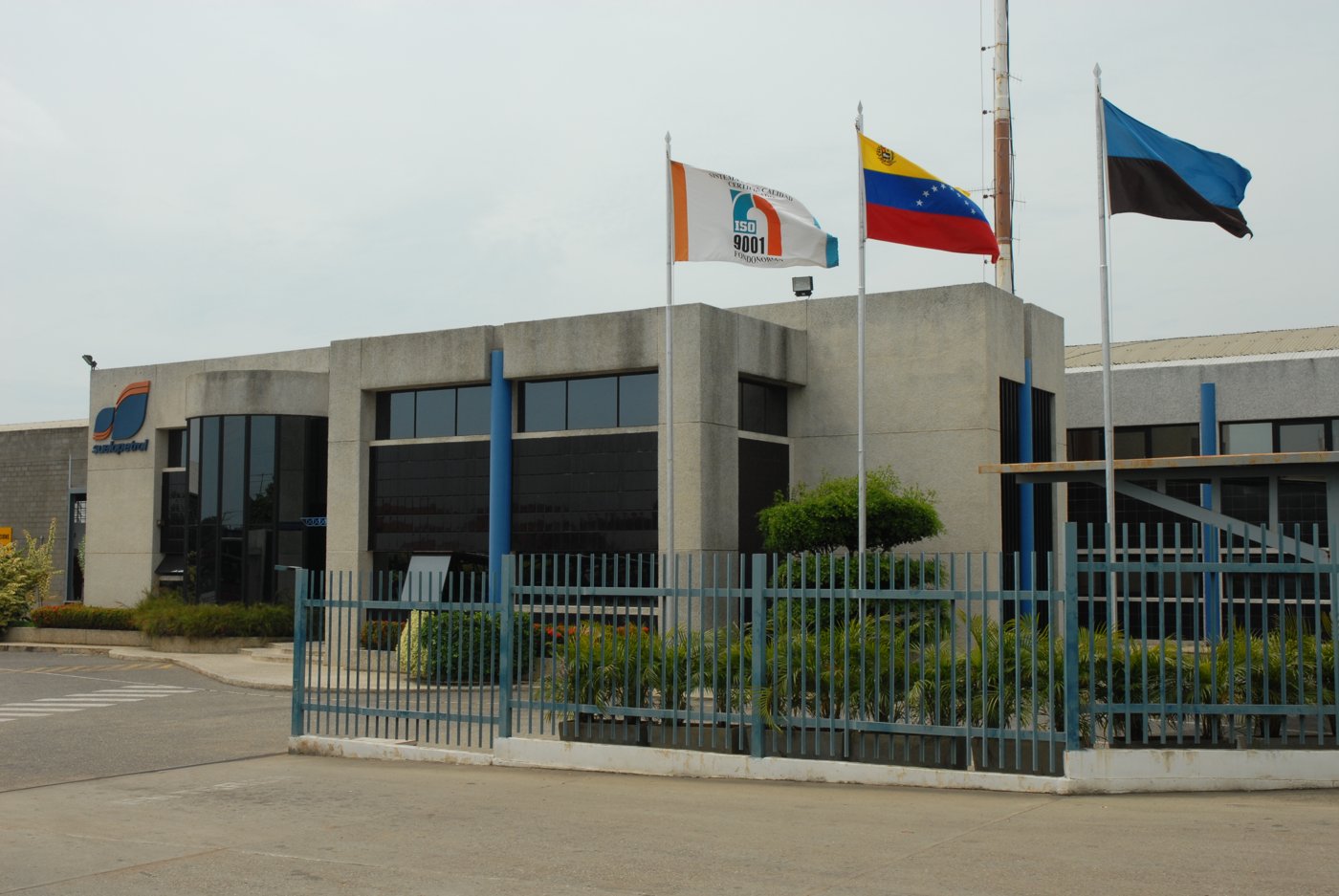
ISO 9001:2000 — First Venezuelan operator to obtain this certification, awarded by IQNet and FONDONORMA in November 2005, with no "nonconformities" in the audit. Caracas Stock Exchange — first Venezuelan oil company to go public (1998). Ernesto León D. Award — Venezuelan School of Engineers, best thesis by the founder, 1975.
In the Orinoco Delta, where Suelopetrol first operated in 1989, the company launched an independent social initiative alongside the Warao community.

In 1996, at the initiative of Henrique Rodríguez Díaz — father of the founder and co-founder of the company — a school was built in Boca de Tigre, an island on the Manamo channel. That school was the seed of the YaKeRaJa Foundation, which today sustains the community camp, the ARATURE Project (sport, health and bilingual education) and the Asotigre soccer team.
ARATURE Project. Approved by the Ministry of the Popular Power for the Environment (permit issued in December 2006), within the Gran Morichal Wildlife Reserve. It included the construction of 36 housing plots for an equal number of Warao families, along with a clinic, school, community hall, market and recreational areas, under a "Learning by Doing" approach — with direct community participation in building drainage canals, a sports field, a dock and a solar power system. The project also included a health care component and a Warao language preservation system, developed jointly with Simón Bolívar University.
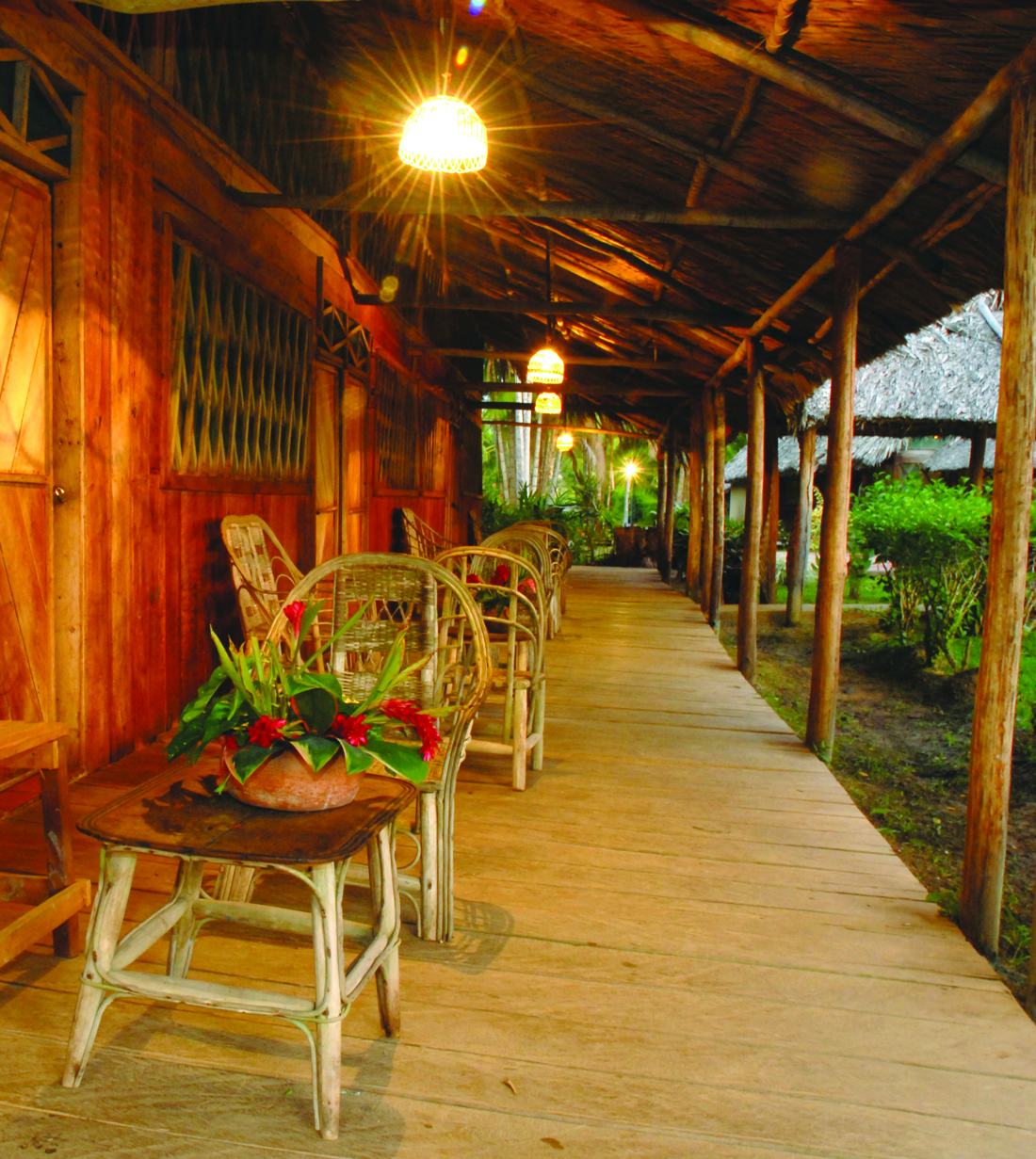

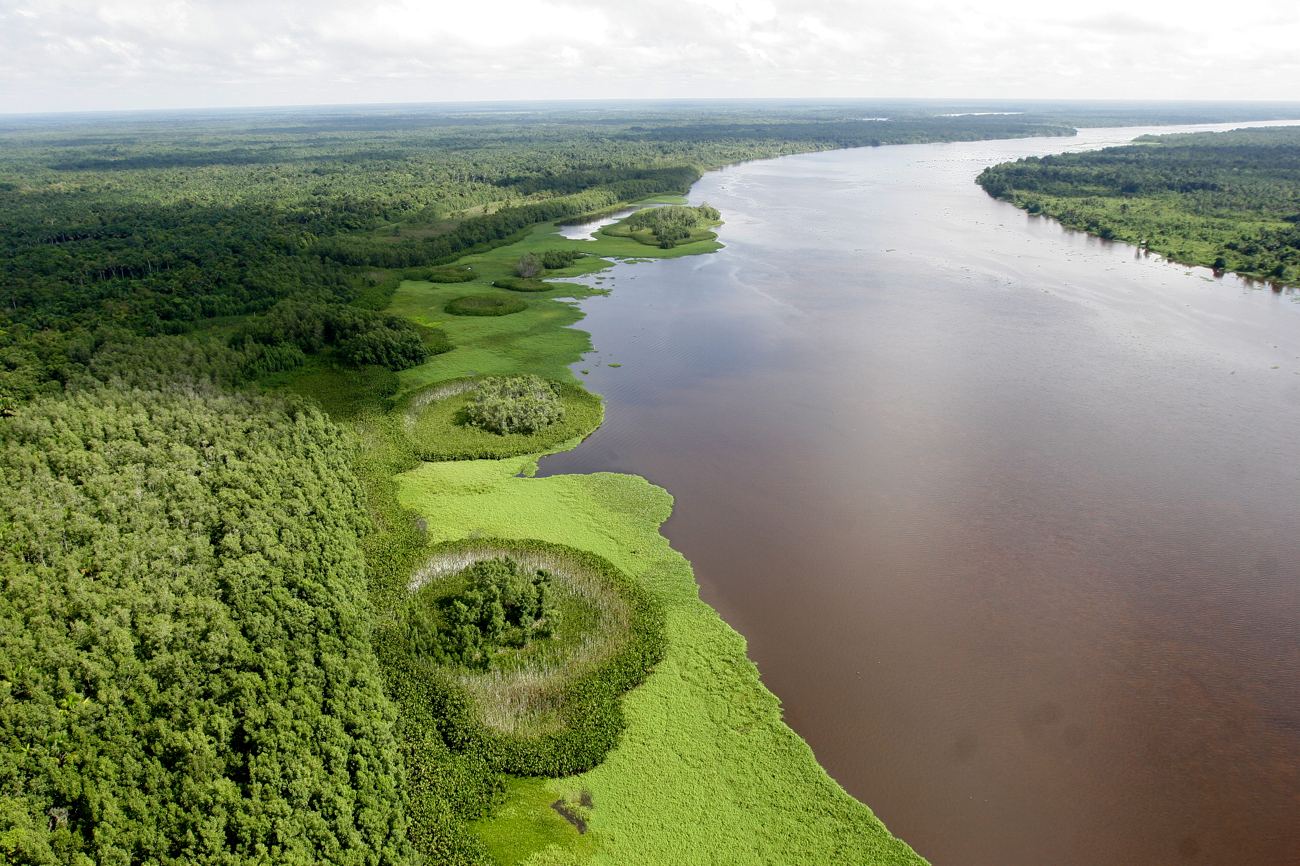
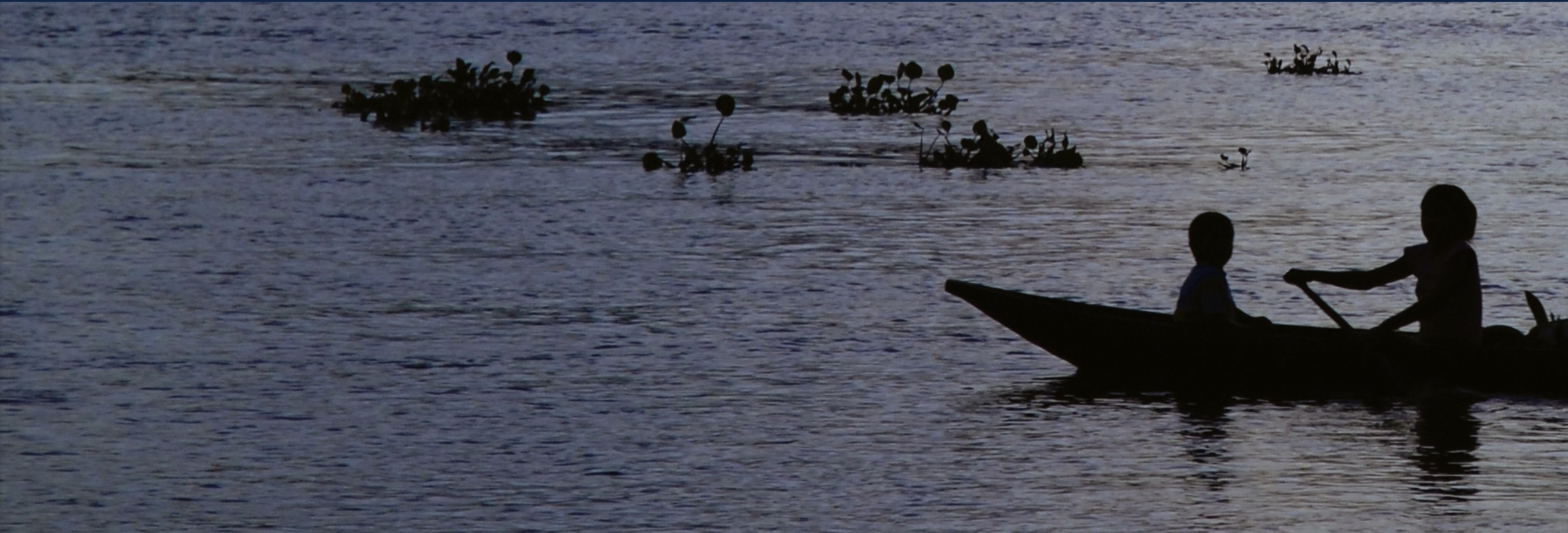
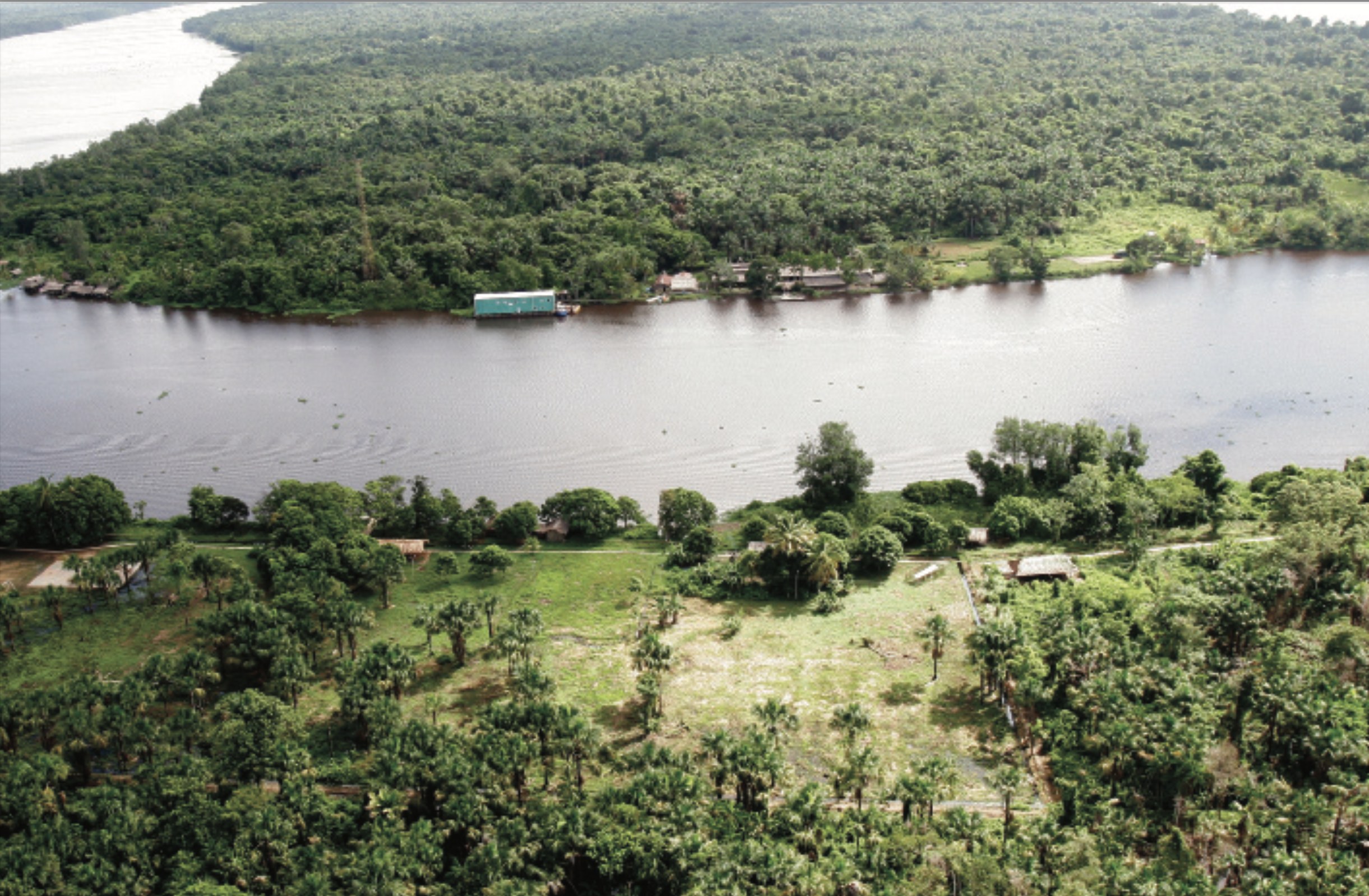

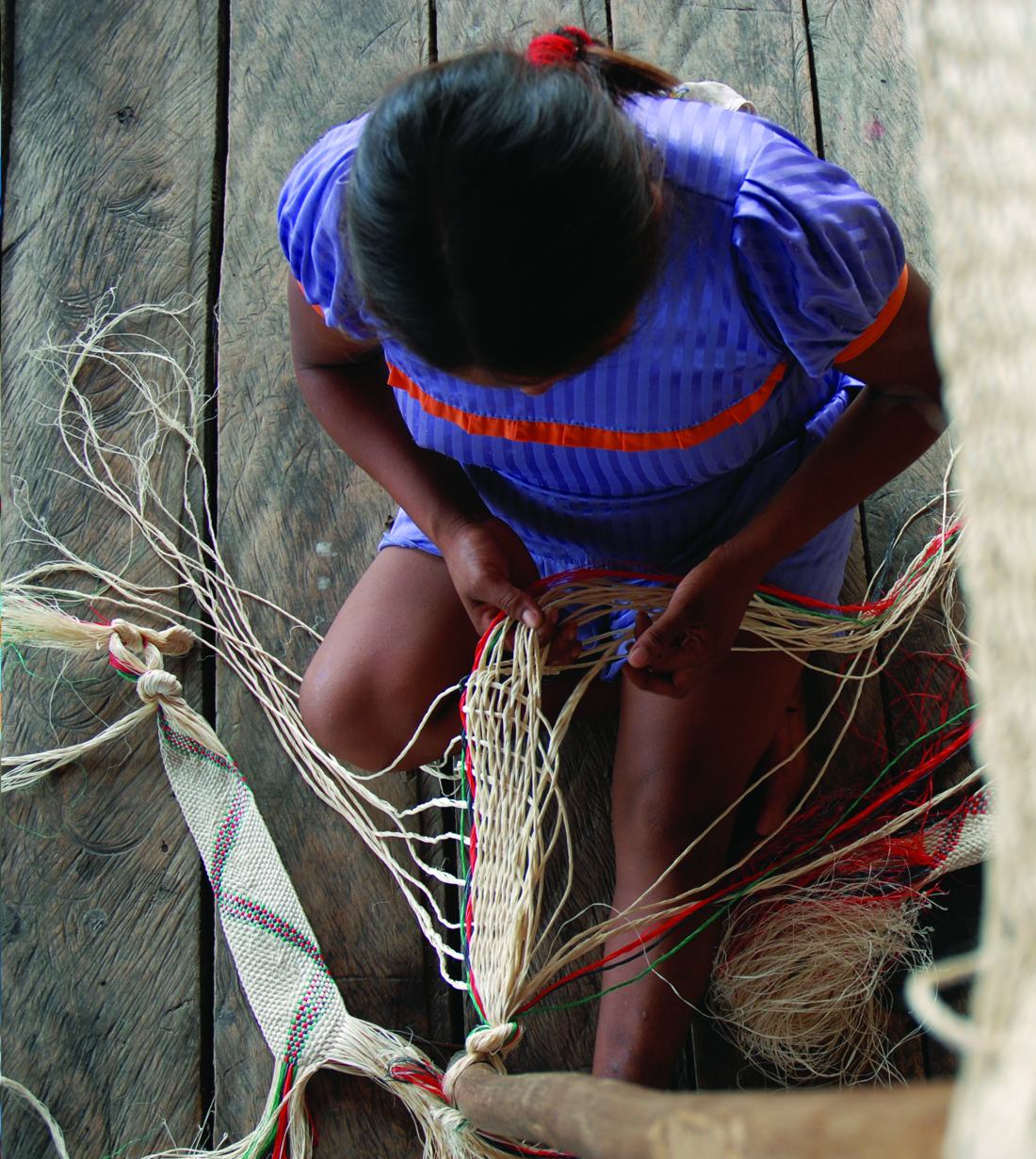
The information and photographs of the camp and the community in this section correspond to archival material from a specific historical period (1989–2007). The current configuration of the camp and the community may have changed since then.
President · Grupo Suelopetrol. Civil engineer, trained at Imperial College London.
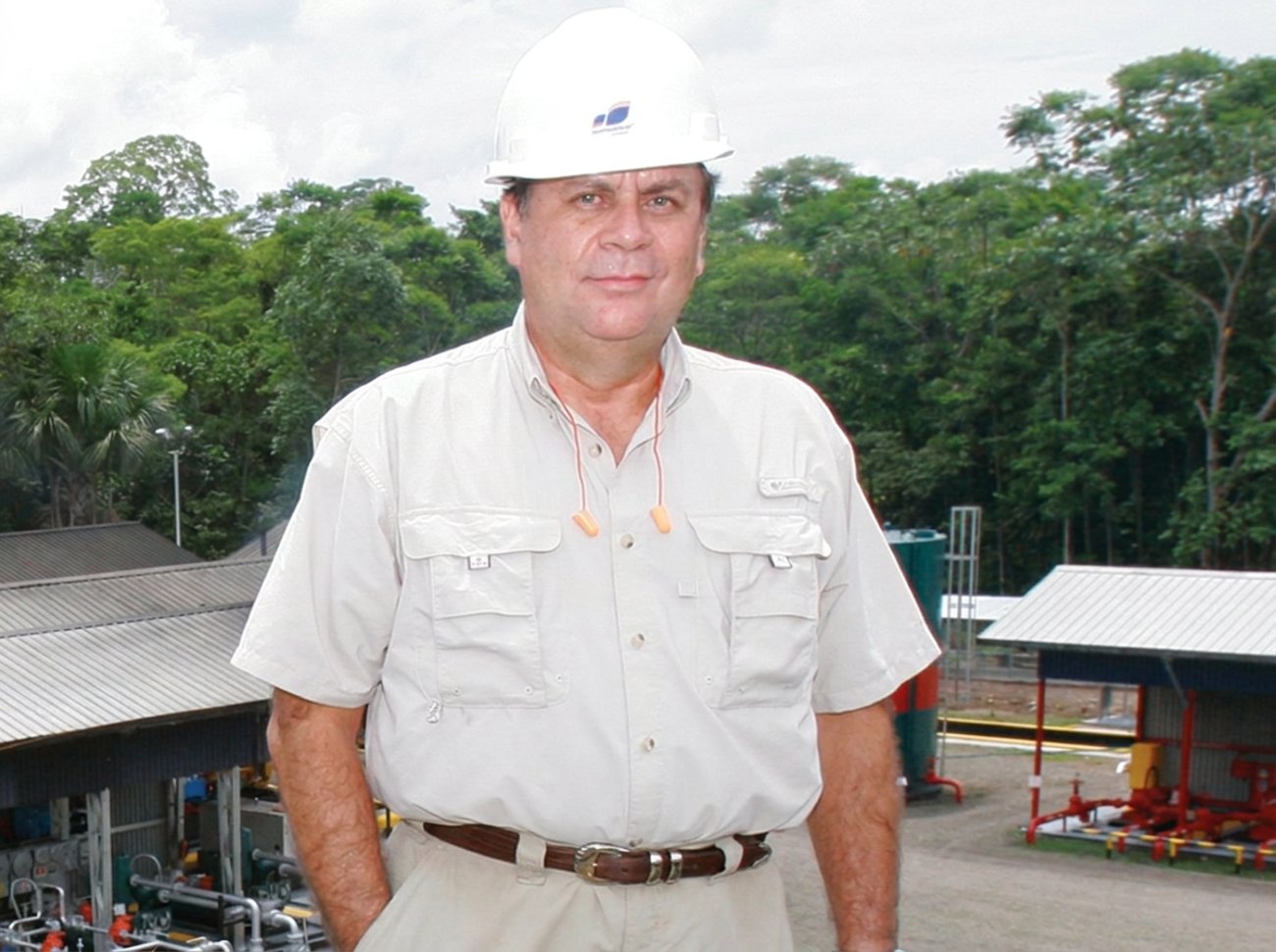
This technical specialization in London was the fundamental pillar for the founding of Suelotec (1978) and, later, Suelopetrol (1984), oriented toward geodetic, geotechnical and geophysical/seismic data acquisition and interpretation for the oil industry in Venezuela.
In addition to his business career, Henrique Rodríguez Guillén served as a professor of Soil Mechanics in the School of Engineering at Universidad Católica Andrés Bello (UCAB), his alma mater.
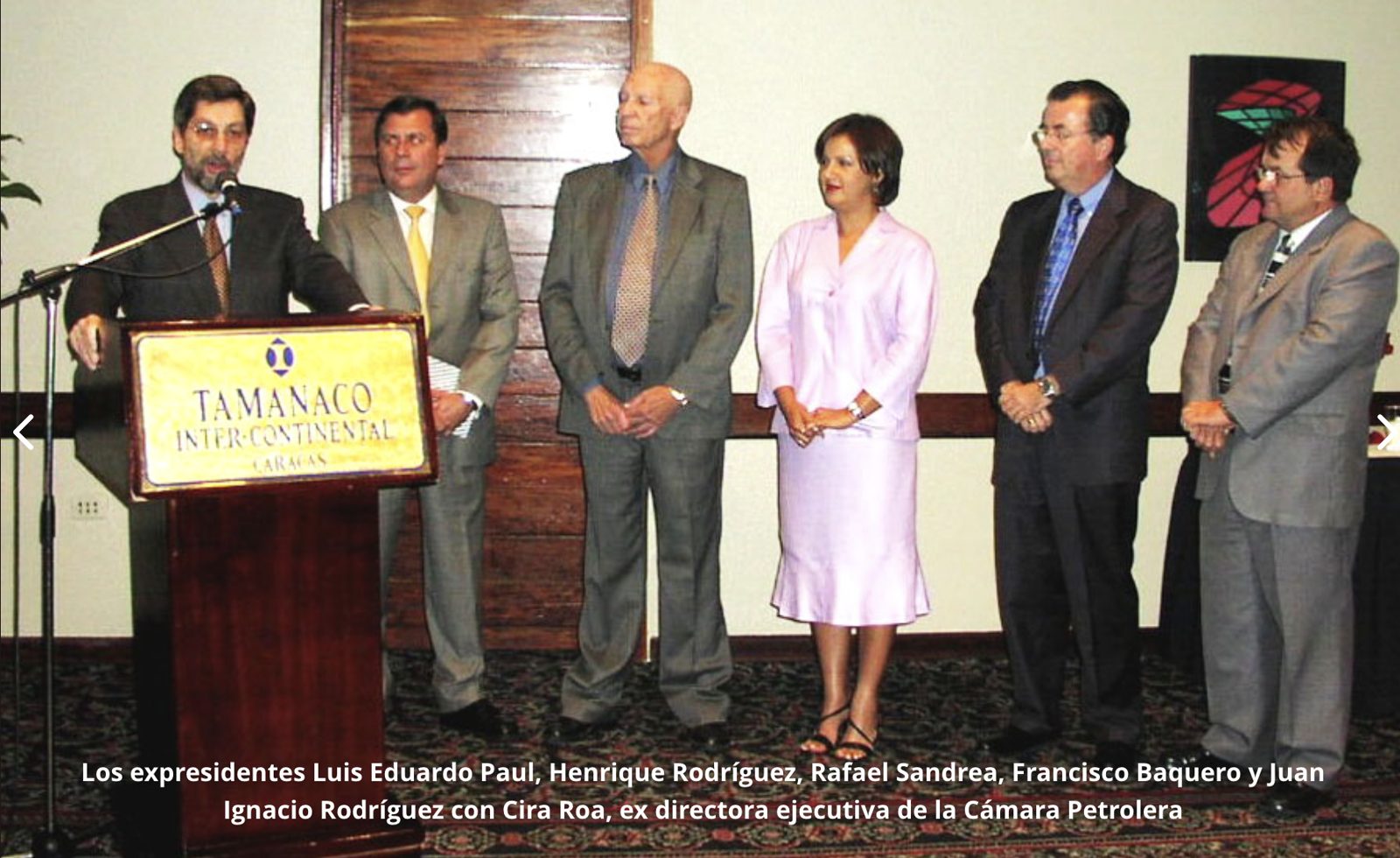
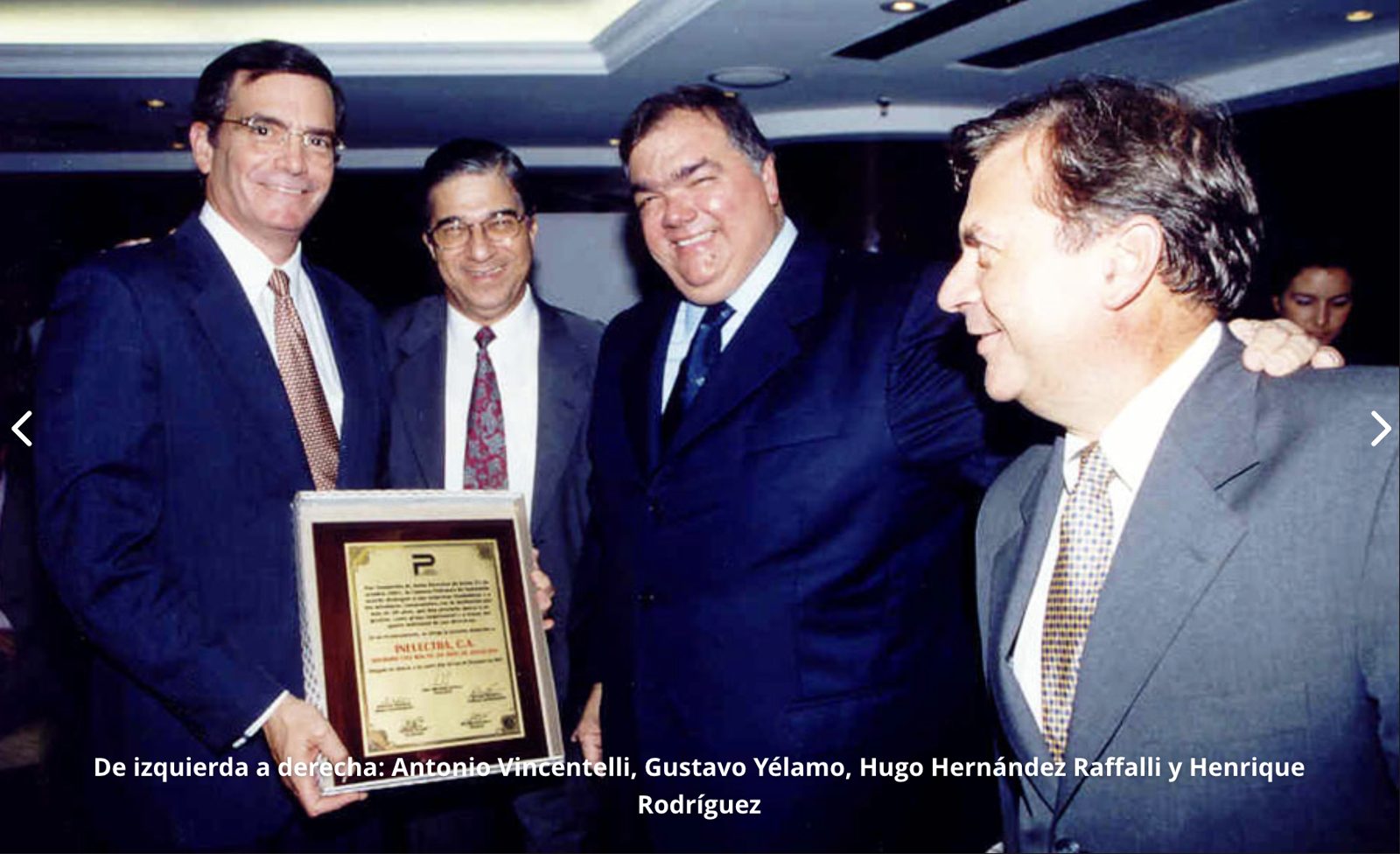
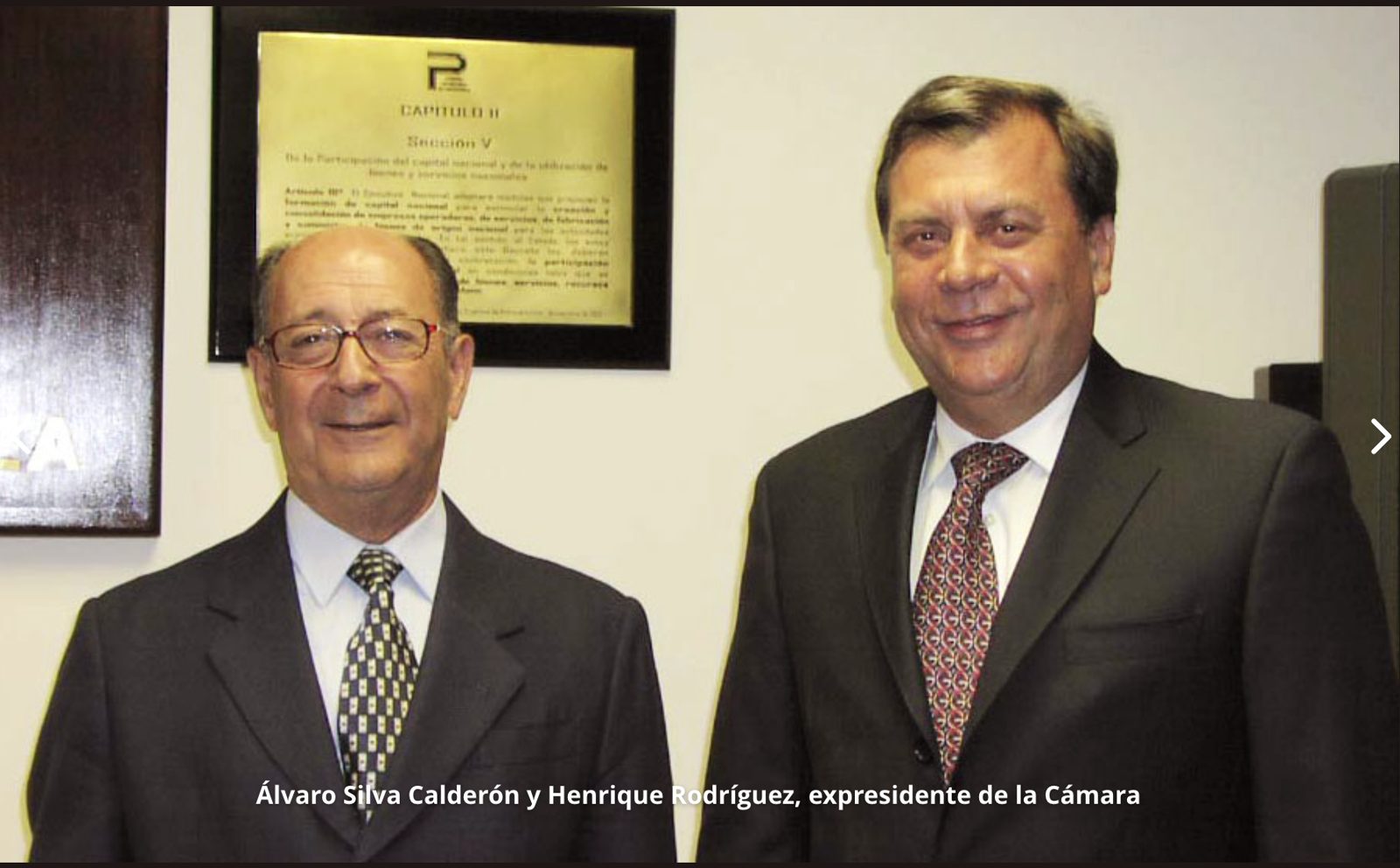
In April 2004, as President of the Venezuelan Petroleum Chamber, he presented the "Strategic Vision of the Petroleum Chamber 2004–2008" to PDVSA’s Board of Directors. At the close of his term, he highlighted as a central achievement "having maintained the institutional standing and recognition of the CPV as the valid interlocutor of the private oil sector" before PDVSA. — Editorial, Revista Barriles No. 78, year 2004.
Verified press coverage, cited with source and a direct link to the original article.
These items are cited for informational reference purposes and do not imply an editorial relationship between Suelopetrol and the media outlets mentioned.
Notices of Shareholders’ Meetings, published in accordance with law. Documents available for download in their original format.
For institutional inquiries, press, or information verification, please contact management.
Write to us directly at gerencia@suelopetrol.es